| CE Credits | Validity | Cost | Duration | ECC | Exam Attempts | Wallet Card |
|---|---|---|---|---|---|---|
| 4.0 | 2 Years | $14.95 | 1-2 Hrs | Compliant | Unlimited | Download/Print/Mail |





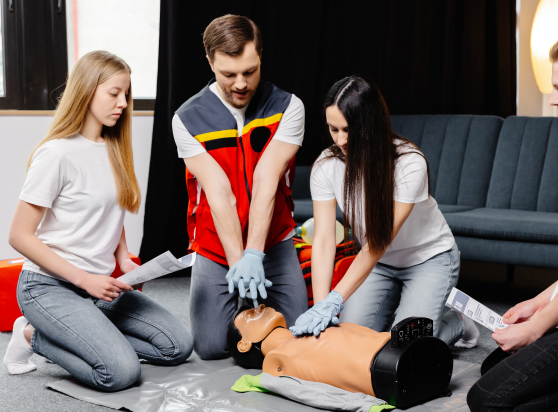
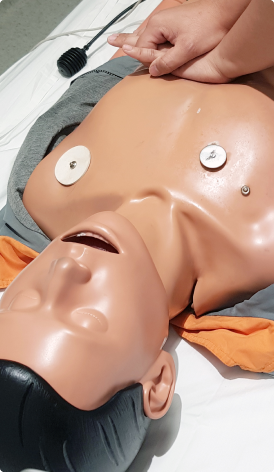
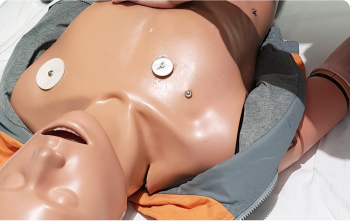
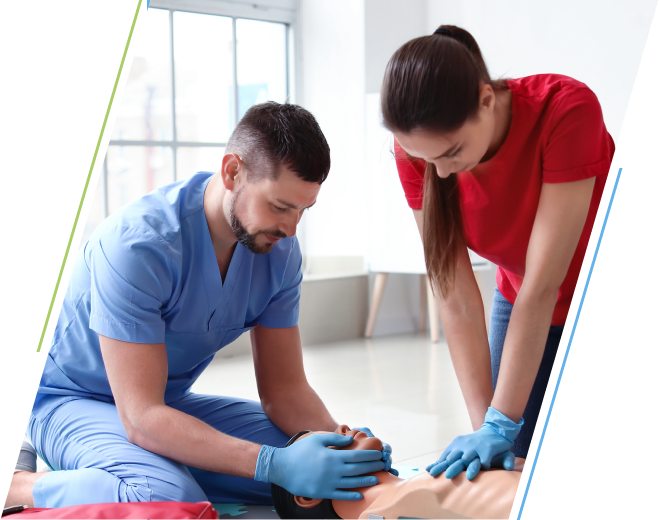
CPR online classes cover basic life support (BLS) techniques, including chest compressions, rescue breathing, and the use of automated external defibrillators (AEDs). Courses also include instruction on assessing a victim’s condition and providing appropriate care based on the situation.
Choose CPR online classes because of the following reasons:
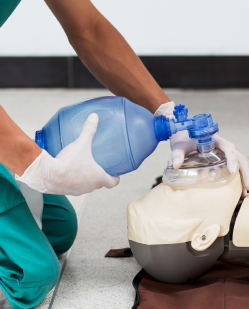
The top benefits of an online CPR certification include the following:
Combo Details:
Combo Details:
Combo Details:
Combo Details:
Combo Details:
Combo Details:
Register Now for your Online CPR/AED Certification
Register NowCardiopulmonary resuscitation (CPR) is a life-saving emergency technique used when someone’s heart stops beating or they stop breathing normally. It combines chest compressions, which manually keep oxygenated blood circulating to the brain and other organs, with rescue breaths that supply that blood with oxygen. Our CPR certification online teaches the correct compression depth, rate, and hand placement for adults, children, and infants, along with when and how to incorporate an AED. The goal of CPR is not to restart the heart directly but to keep vital organs supplied with oxygen until a defibrillator or advanced medical care can restore a normal rhythm.
CPR certification is recommended for a much wider group than most people expect. Healthcare professionals such as nurses, EMTs, and dental staff are frequently required to hold current certification as a condition of employment, but non-medical professionals benefit just as directly. Teachers, coaches, lifeguards, childcare providers, gym staff, and workplace safety coordinators are all likely to be the first person on scene during a cardiac emergency, often minutes before paramedics arrive. Parents and caregivers also commonly certify to be prepared for emergencies involving family members. If your role or daily life puts you near children, older adults, or physically demanding activity, certification is a reasonable investment regardless of your job title.
CPR certification through American CPR Care Association is valid for two years from your exam pass date. After that period, you are required to renew through a recertification course rather than repeating the full original course. Renewal exists because CPR and AED guidelines are periodically updated by the American Heart Association and the Emergency Cardiovascular Care committee as new resuscitation science becomes available, so a two-year cycle ensures certified responders are working from current, evidence-based technique rather than an outdated standard. Renewal is typically faster to complete than initial certification since it focuses on updates and a refresher assessment rather than the complete curriculum.
Cardiac arrest is one of the leading causes of death in the United States, and the difference between a survivable outcome and a fatal one is frequently measured in minutes, sometimes seconds. Bystander CPR performed before paramedics arrive can more than double a person’s chance of survival, yet many bystanders hesitate simply because they were never trained. CPR certification equips you with the confidence and muscle memory to act immediately rather than waiting, which is often the single biggest factor in outcome. Beyond the direct life-saving value, certification also improves workplace safety compliance, strengthens your qualifications for healthcare-adjacent and caregiving roles, and contributes to a more prepared, resilient community overall.
Yes. CPR certification generally scales with the setting it is designed for. Standard or lay-responder CPR/AED certification, like the course on this page, covers adult, child, and infant compressions, rescue breaths, AED use, and choking response, and is appropriate for teachers, caregivers, fitness professionals, and the general public. Healthcare Provider or BLS-level certification adds advanced skills such as bag-mask ventilation, team-based resuscitation, and in-facility protocols designed for clinical and prehospital environments, and is typically required for nurses, EMTs, and other medical staff. If your employer or licensing board specifies “BLS” or “Healthcare Provider” rather than standard CPR, our Healthcare Provider CPR course is the correct fit rather than this one.
Getting CPR certified online through American CPR Care Association takes three steps: enroll in the self-paced course, complete the video modules covering CPR, AED use, and choking response, then pass the final exam. There is no fixed class schedule, no in-person attendance requirement, and no limit on how many times you can retake the exam if needed. Once you pass, your digital certificate is available for immediate download, with a physical wallet card mailed to your address afterward. Most learners complete the full course, from enrollment to certificate, in one to two hours, making it one of the fastest nationally accepted CPR credentials available.
The courses meet the specific needs of healthcare professionals and organizations requiring advanced CPR training. These courses ensure participants are well-prepared to respond effectively in critical situations. Here’s an overview of the courses offered:
Our certification cards serve as tangible proof of your successful completion of CPR training, It showcases your readiness to respond to emergencies effectively. Here are the key features of our sample certification card:
Online CPR certification through American CPR Care Association covers the full range of skills needed to respond to a cardiac emergency before advanced medical help arrives. The course walks through adult, child, and infant CPR, including the correct compression-to-breath ratios for each age group, along with proper hand placement and compression depth. You will also learn how to recognize the signs of cardiac arrest, assess responsiveness and breathing, and call for help while beginning compressions without delay.
Automated external defibrillator (AED) training is built into the course rather than offered as an add-on, since AED use is one of the most time-sensitive skills a certified responder can hold. The training covers how to apply pads correctly, when to deliver a shock, and how to resume compressions immediately afterward. Choking response for adults, children, and infants is also included, so a single certification covers the most common life-threatening emergencies a lay responder or workplace first responder is likely to encounter.
Getting certified through our online CPR/AED course follows a straightforward path from enrollment to a printable certificate:
Because the course is fully online and self-paced, there is no fixed class schedule to work around, and course access does not expire before you pass, so you can take as long as you need to feel confident in the material.
American CPR Care Association is an independent online training provider. Our CPR and AED certification curriculum is developed in line with the guidelines published by the American Heart Association (AHA) and the Emergency Cardiovascular Care (ECC) committee, the organizations that set the science-based standards used across CPR and resuscitation training in the United States. It is worth being direct about this distinction: American CPR Care Association is not the American Heart Association, and our certifications are not AHA-issued cards.
For most workplace, volunteer, and personal-readiness requirements, an American CPR Care Association CPR/AED certification meets the stated standard and carries a 98 percent national acceptance rate. That said, some hospital systems, nursing programs, and specific state licensing boards require an AHA-issued card specifically rather than a guideline-aligned equivalent. If your employer, school, or licensing board has not specified which they require, we recommend confirming before you enroll. For general workplace safety, childcare, fitness, and personal certification needs, our course delivers the documented competency your situation calls for.
CPR certification through American CPR Care Association is valid for two years from the date you pass your exam. As that date approaches, you do not need to repeat the full course from the beginning: a focused online renewal course reviews updated guidelines and re-tests your competency, and it is typically faster to complete than the original certification.
Staying current matters for more than compliance. Guidelines around compression depth, rescue breath ratios, and AED protocols are periodically updated by the AHA and ECC committee, so renewing on schedule ensures your skills reflect the most recent evidence-based standards rather than the version you originally learned. Visit our CPR renewal and recertification page for current pricing and to begin your renewal before your two-year window closes.
Jumpstart your career with an OSHA certified CPR online certification

Get a free BLS course with a PALS and ACLS certification
Learn More
Our nationally accepted certification follows the latest ECC guidelines and standards.
Learn More
Enroll in a comprehensive, nationally recognized healthcare course focusing on the needs of healthcare professionals
Learn More
Gain CE credit hours with every course at ACCA.
Learn MoreOur standards align with the 2020 ECC Guidelines and the National Emergency Response Organization. If the course certification gets rejected, we will issue a refund.

Shopper Approved collects trusted reviews from customers who have made a verified purchase.
“I’m not a people’s person and don’t like to go in a large group setting for my CPR certification. When I get nervous I tend to miss questions. I really like that this site allows for me to complete the course at my own pace, from a place of comfort. In this way, I can concentrate and truly grasp the CPR course concepts. Highly recommended!”
“This program was easy to understand and well put together. We certified a group of 10 friends, and appreciated the group setup.”
“The CPR training was exceptional! I prefer this to the classroom setting. I am a certified Montessori teacher and this course worked out for me and my coworkers!”