| CE Credits | Validity | Cost | Duration | ECC | Exam Attempts | Wallet Card |
|---|---|---|---|---|---|---|
| 2.0 | 2 Years | $14.95 | 2 Hrs | Compliant | Unlimited | Download/Print/Mail |





A first aid certification equips individuals with essential skills to help during emergencies. Here are the key highlights of the course:
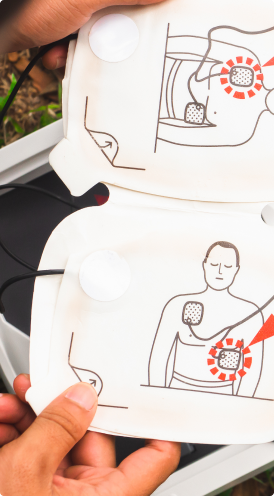
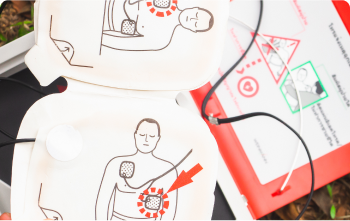
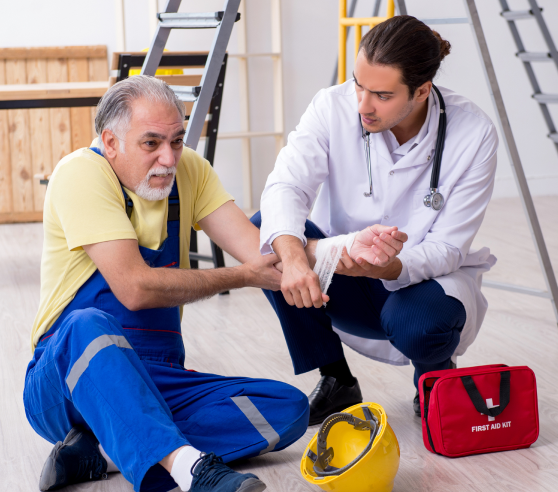
First aid training covers several topics, including CPR, the use of an AED, managing choking, and other basic life support (BLS) techniques. It teaches essential skills to manage medical emergencies and provide immediate care for cuts and wounds.
First aid training prepares you to act when every second counts. Here is why a first aid certification is crucial:
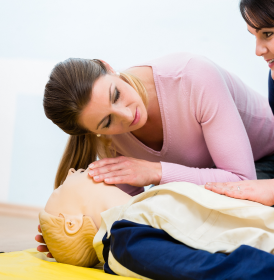
CPR and first aid certification is beneficial and it teaches essential skills including:
Combo Details:
Combo Details:
Combo Details:
Combo Details:
Combo Details:
Combo Details:
Register Now for your Online First Aid Certification
Register Now1. What is first aid?
First aid is the immediate care given to someone who is injured or suddenly ill, before professional medical help arrives or becomes necessary. The goal is threefold: prevent the situation from getting worse, support recovery, and in serious cases, sustain life until paramedics or a doctor can take over. First aid ranges from simple actions, like cleaning and dressing a cut or applying an ice pack to a sprain, to more advanced interventions such as CPR, using an AED, or recognizing the signs of a stroke. Our online first aid certification course covers this full range, so you are prepared for both everyday injuries and genuine emergencies.
2. Who should get first aid certified?
First aid certification is valuable for anyone who wants to be prepared to help during a medical emergency, and it is a practical fit for far more people than just healthcare workers. Teachers, coaches, childcare providers, fitness instructors, and workplace safety coordinators frequently need it as part of their role, since they regularly supervise others in situations where injuries can occur. Parents, caregivers, and outdoor recreation guides also commonly certify simply to be ready at home or on the trail. If you want the confidence and documented skill to respond effectively to cuts, burns, sprains, or a cardiac emergency, first aid certification is worth pursuing regardless of your profession.
3. How long does first aid certification last?
First aid certification through American CPR Care Association is valid for two to three years from your completion date, depending on the specific course and any employer or licensing requirements layered on top. After that window, a renewal course updates you on any changes to recommended technique and re-confirms your competency, and it is generally faster to complete than the original certification. Letting your certification lapse before renewing typically means starting over with the full course rather than a shortened refresher, so it is worth renewing ahead of your expiration date rather than waiting until after it passes.
4. Where can I get first aid certified?
You can complete first aid certification entirely online through American CPR Care Association, without attending an in-person class. When choosing a provider, confirm the course is nationally accepted and follows current emergency response guidelines, since not every online certificate carries the same weight with employers or licensing boards. Our course is self-paced, includes video demonstrations and scenario-based practice, and provides an instant downloadable certificate immediately after you pass the final exam, with a physical wallet card mailed afterward. Most learners complete the entire course, from enrollment to certificate, in about two hours.
5. Are first aid and CPR the same thing?
No, though the two are closely related and often taught together. First aid covers the broad category of everyday injuries and medical situations, including cuts, burns, sprains, fractures, and allergic reactions. CPR is a specific technique used only for cardiac or respiratory arrest, combining chest compressions and rescue breaths to keep oxygenated blood circulating until advanced help arrives or an AED can restore a normal heart rhythm. Many roles that require certification expect both together, since a real-world emergency could involve either a minor injury or a life-threatening one. Our combo course bundles first aid, CPR, and AED training into a single enrollment for exactly this reason.
6. What are the courses offered for first aid providers?
First aid training generally comes in a few tiers depending on your setting and responsibilities. A basic first aid course, like the one on this page, covers core skills including CPR, wound dressing, and choking response, and suits most workplace and personal-readiness needs. Advanced first aid training goes further, addressing higher-risk scenarios such as those faced by lifeguards, wilderness guides, or remote-location workers who may need to manage an injury for an extended period before help arrives. Pediatric first aid focuses specifically on children, covering common childhood injuries, illness recognition, and infant and child CPR. Choosing the right tier depends on who you are caring for and how quickly professional help is typically available in your setting.
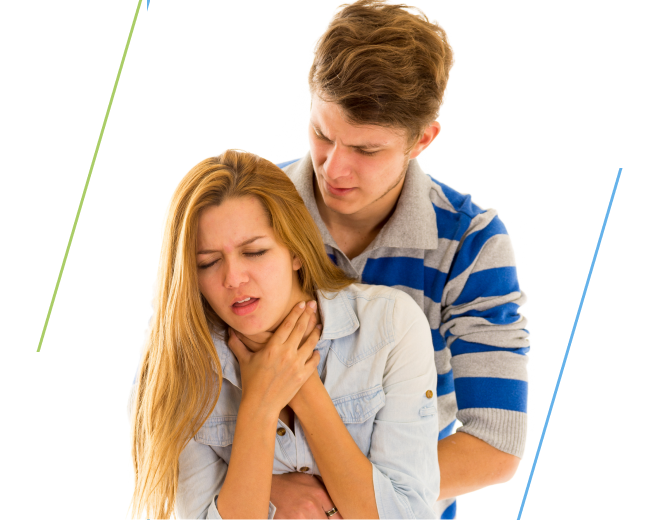
Our online first aid certification course prepares you to respond to the medical emergencies people are most likely to actually encounter: cuts, burns, sprains, allergic reactions, and choking, alongside core CPR and AED skills for cardiac emergencies. Rather than a narrow single-skill class, the course builds a broad emergency-response toolkit, covering wound care and bleeding control, recognizing and responding to shock, splinting for suspected fractures, and identifying the warning signs of a stroke or heart attack early enough to act.
Because first aid certification online is self-paced, you move through video demonstrations and scenario-based modules at your own speed, with unlimited exam retakes if you need another pass at the material. The course is nationally accepted and follows current emergency response guidelines, so the certificate you earn documents real, verifiable competency rather than simple attendance.
First aid and CPR are related but cover different situations, and understanding the distinction helps you pick the right course, or confirms you need both. First aid addresses the broad category of everyday injuries and medical emergencies: cuts, burns, sprains, fractures, allergic reactions, and heat or cold exposure. CPR is a specific, narrower technique used only when someone’s heart has stopped or they have stopped breathing, combining chest compressions and rescue breaths to keep blood circulating until advanced help arrives.
Many roles that require certification, teaching, coaching, childcare, and fitness instruction among them, expect both skill sets together rather than either one alone, since a workplace emergency could just as easily be a sprained ankle as a cardiac arrest. Our combo course bundles first aid with CPR and AED training in a single enrollment for exactly this reason.
First aid certification is a practical credential for a wide range of roles and situations, not just clinical ones. Teachers, coaches, and childcare providers are frequently required to hold current certification given how often they supervise children in physical activity. Fitness professionals, camp counselors, and outdoor guides benefit directly since injuries like sprains, cuts, and heat exhaustion are common in their work. Office managers and workplace safety coordinators often maintain certification to meet basic OSHA-aligned emergency-preparedness expectations, and parents or caregivers commonly certify simply to be ready at home.
If your role puts you in regular contact with children, physical activity, or environments where minor injuries are common, first aid certification is a low-cost, high-value credential regardless of whether your employer formally requires it.
First aid certification through American CPR Care Association is valid for two to three years, after which a renewal course keeps your credential and your skills current. Guidelines around wound care, allergic reaction response, and emergency assessment are periodically updated, so timely renewal ensures you are working from current best practice rather than an outdated standard.
If your certification has already lapsed, you will need to retake the full course rather than a shortened renewal, so it is worth renewing before your expiration date rather than after it. Visit our CPR renewal and recertification page if your first aid certification is bundled with a CPR credential that is also due for renewal.
Jumpstart your career with an OSHA-certified first aid online certification

Get a free BLS course with a PALS and ACLS certification.
Learn More
Follows the latest ECC guidelines and standards.
Learn More
Enroll in our comprehensive, nationally recognized healthcare course.
Learn More
Gain CE credit hours and stay compliant with licensure requirements.
Learn MoreOur standards align with the 2020 ECC Guidelines and the National Emergency Response Organization. If the course certification gets rejected, we will issue a refund.

Shopper Approved collects trusted reviews from customers who have made a verified purchase.
“I’m not a people’s person and don’t like to go in a large group setting for my CPR certification. When I get nervous I tend to miss questions. I really like that this site allows for me to complete the course at my own pace, from a place of comfort. In this way, I can concentrate and truly grasp the CPR course concepts. Highly recommended!”
“This program was easy to understand and well put together. We certified a group of 10 friends, and appreciated the group setup.”
“The CPR training was exceptional! I prefer this to the classroom setting. I am a certified Montessori teacher and this course worked out for me and my coworkers!”