





Understanding First Aid: Essential Skills for Everyone to Learn
Aug 06, 2026
Last Updated On: February 9, 2026
When sudden cardiac arrest strikes, every second matters, but what happens when help is miles away? BLS in remote areas can be the difference between life and death, yet it’s often overlooked due to limited resources, long emergency response times, and a lack of trained personnel. A study published in The Lancet Global Health found that low-resource regions face the highest mortality from preventable emergencies, often because basic life-saving care isn’t available or accessible when it’s needed most.
Many believe that CPR and Basic Life Support (BLS) are only useful where hospitals are nearby. But that’s a misconception. In fact, teaching BLS in underserved and hard-to-reach areas gives local communities the power to act fast and save lives before medical teams arrive.
Fortunately, solutions like simplified BLS training, mobile health tools, and community-based programs are bridging the gap. If you’re wondering how BLS can work where resources are limited, read on to discover practical, life-saving strategies for remote settings.
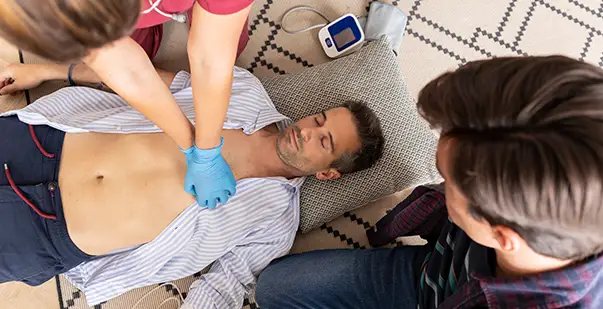
Basic life support is a set of life-saving interventions that include chest compressions, rescue breaths, and the use of an automated external defibrillator (AED). It is the first line of response during cardiac arrest and helps maintain circulation and oxygenation until professional medical help arrives.
In cities, BLS is often supported by systems like emergency dispatch, public defibrillators, and trained first responders. In contrast, these supports are minimal or nonexistent in rural and underserved regions. This stark disparity puts lives at greater risk where help is often needed the most.
According to the WHO Global Emergency Care Assessment, more than 50% of the world’s population lacks access to timely emergency services, especially in rural and low-resource settings. This is because delivering BLS in remote areas or low-resource settings comes with unique obstacles, some of which are mainly associated with the healthcare infrastructure and socio-economic realities of these regions.
In many remote areas, professional healthcare providers are scarce. The available workforce often includes only a handful of nurses or community health workers who are already stretched thin with other responsibilities. Without trained personnel to administer BLS, the survival chances of cardiac arrest victims drop significantly. This makes community-level, low-resource BLS training the key to overcoming critical emergencies you should be prepared to handle.
Automated external defibrillators (AEDs) are rarely available in rural clinics, schools, or public areas. Even in primary health centers, the equipment needed for advanced resuscitation is either outdated or absent. AEDs play a key role in restarting the heart rhythm in cases of sudden cardiac arrest. Early use of a defibrillator is a key step for treating out-of-hospital cardiac arrest (OHCA), with survival rates higher than 50%. Without them, even a well-performed CPR might not be enough to save a life.
Emergency medical services are often hours away in remote regions. Bad roads, lack of transportation, and communication barriers delay the arrival of professional help. During this critical window, bystander CPR becomes the only hope for survival. In areas without structured EMS, strengthening local response networks is crucial. Volunteer responders or telemedicine-assisted CPR can make a difference.
In many low-resource settings, formal BLS training material may not be available in local languages. This language barrier prevents effective understanding and retention of life-saving procedures. Visual aids, community demonstrations, and culturally relevant training sessions can help overcome this. Literacy levels should also be considered when designing educational materials. The use of storytelling or role-playing methods often resonates better in such communities.
Cultural misconceptions can affect how people perceive CPR and emergency care. In some areas, there is a fear of causing harm by touching someone during a medical emergency. Others may depend solely on traditional healers, delaying proper intervention. Addressing these beliefs through awareness campaigns helps promote BLS adoption. Trust-building within the community can also help with proper emergency response in remote locations.
Despite the challenges, several creative and scalable strategies have emerged to bring BLS training and emergency care to underserved populations. These key programs and initiatives associated with basic life support improvisation include:
Community health workers, teachers, and even teenagers can be empowered with basic BLS skills. These local influencers are more likely to be present at the scene of an emergency and can take immediate action. Training sessions held in schools, markets, and churches can help disseminate CPR knowledge widely. These programs should be tailored to local needs and available in regional dialects. Consistent practice and follow-ups help reinforce learning.
Mobile units equipped with CPR manikins and training staff can travel to rural villages. These vans function as pop-up classrooms, providing hands-on learning to individuals who otherwise lack access. The training can be customized for different age groups and literacy levels. Such initiatives have shown promising results in improving preparedness in underserved regions.
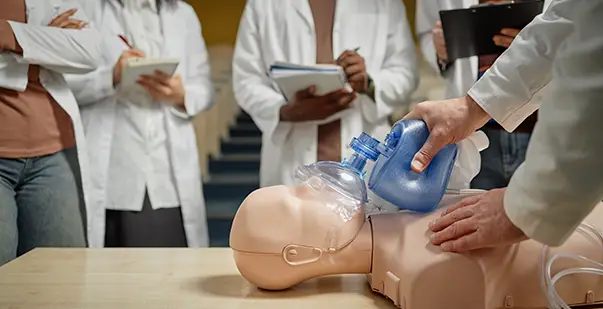
Traditional CPR manikins can be expensive and fragile, making them impractical for remote use. Newer innovations have led to the development of rugged, affordable CPR training tools made of local materials. These models still provide tactile feedback and accurately simulate chest resistance. They can be easily repaired or replaced and are ideal for village-level programs. These tools can also reach the grassroots level and transform CPR education with proper training.
Smartphones are more widespread than one might expect, even in remote areas. Offline-enabled mobile apps can provide CPR tutorials, voice-guided instructions, and emergency contact systems. These tools don’t require internet access once downloaded and can be a lifeline during critical moments. Visual, animated instructions help overcome literacy barriers as well. Apps like PulsePoint and First Aid have been game-changers in remote areas worldwide.
NGOs that already have a presence in remote communities can integrate BLS training into their existing health programs. When local leaders endorse and participate in such initiatives, they gain community trust and support. Partnerships ensure consistent engagement and follow-through. They also help monitor the impact of the program and make adjustments. Collaboration with local governments can lead to policy changes and budget allocations.
Teaching BLS empowers communities to take emergency response into their own hands. It gives them control over health outcomes that might otherwise be left to chance. A study published in Dovepress indicated that a 5% increase in BLS course participation at the municipal level was associated with a 34% increase in the likelihood of bystander CPR being performed. Below are the key benefits of learning BLS in these areas:
In remote areas, ambulances or trained medical responders may not arrive quickly, especially during adverse weather or in rugged terrain. With BLS training, local individuals can step in and start CPR or other life-saving techniques immediately.
This bridges the gap between the onset of a medical emergency and professional medical help. Early intervention greatly increases the chances of survival, especially in cases like cardiac arrest.
When residents are trained in BLS, they feel more capable and confident in handling emergencies. This sense of empowerment reduces panic and hesitation during high-stress situations.
It also builds community resilience, as people begin to look out for one another and respond more effectively in crises. Empowered communities are more likely to advocate for better health resources and education as well.
Many emergencies, like choking, drowning, or cardiac arrest, require simple yet immediate actions to prevent death. BLS training teaches individuals how to act swiftly and appropriately in such scenarios. In areas where professional medical care is delayed or absent, this can reduce preventable deaths. Over time, this creates a healthier, more prepared population.
Teaching BLS doesn’t require expensive infrastructure or ongoing medical staffing. A few trained instructors, basic materials, and commitment from the community can go a long way. Compared to the cost of building and staffing clinics in remote locations, BLS training offers a high-impact, low-cost solution. It’s a practical way to enhance healthcare delivery where resources are scarce.
When people understand how to respond to emergencies, they also tend to become more health-conscious in general. BLS training often discusses topics like first aid, healthy living, and disease prevention. This shift toward proactive health behaviors benefits the whole community in the long run. A preventive mindset can reduce the burden on limited healthcare services.
Basic life support is a universal need, but its accessibility shouldn’t depend on geography or income. Access to emergency care shouldn’t be dictated by ZIP code, infrastructure, or income. People living in isolated or resource-limited areas deserve the same chance at survival as anyone else. By training community members, equipping local volunteers, and adopting simple, practical solutions adapted to the environment, we can build powerful, self-reliant networks of lifesavers.
Want to learn more about implementing BLS in rural areas? Enroll in a CPR first aid certification to learn more about lifesaving skills now!
Read More:
Subscribe
Search Here
Select Courses
Recent Posts
Categories