





Understanding First Aid: Essential Skills for Everyone to Learn
Aug 06, 2026

Last Updated On: February 9, 2026
The residents of Greenfield, Iowa, reacted quickly when a tornado tore through the town. In a day, over half of the town’s power was regained. Local volunteers, the “Y’all Squad,” coordinated relief sites in a church parking lot, handed out supplies, and helped organize emergency relief efforts. In a few days, they had collected over $93,000 to help facilitate the relief efforts. This immediate and collaborative response is a testament to the amazing capacity of community networks to save lives and revive hope in rural communities.
In the majority of small towns, help from the outside can sometimes take hours, or even days, to reach the hands of those who need it. That is why it is so important to have community emergency response networks. Throughout this guide, you will learn the unique rural challenges, how to organize a response team, the equipment and training needed, and how to keep your network together for years to come.
Community emergency response networks (CERT) are groups of trained local volunteers who step in during disasters. They are everyday heroes ready to help when professional responders can’t arrive quickly. They teach people basic skills like first aid, search and rescue, and fire safety. They form a vital safety net, especially in places far from cities.
Help build safer communities at American CPR Care Association
Building emergency response systems in rural communities faces major obstacles, which can delay critical aid during disasters. These challenges hinder effective preparation, response, and recovery. Some of these challenges and how they impact rural areas are discussed as follows:
Rural agencies like EMS, fire departments, and health services frequently operate on tight budgets, which leads to shortages in equipment, training, and staffing. This reduces overall response capacity and surge capabilities during emergencies.
Vast distances and remote terrains mean longer response times for ambulances or rescuers. Obstacles like mountains, rivers, or poor roads complicate evacuations and access, especially for those without vehicles.
Slow internet, cellular service, and warning systems complicate coordination with responders or warning residents. Power outages tend to strike rural communities and last for hours before restoration.
High concentrations of older adults, people with disabilities, or low-income residents require special considerations. However, rural communities do not have customized assistance, which further increases risks during emergencies.
Rural locations experience delays in receiving medications, equipment, or lab tests. This is further exacerbated by social determinants and provider shortages, such as a lack of availability of transport or provision of clean water.
Inadequate real-time sharing systems, such as hospital bed availability or patient triage, also affect effective responses, particularly in rural areas where adequate staffing does not exist.
High cost of expansion, regulatory problems, and the digital divide limit the application of sophisticated resources like IoT for efficient tracking and monitoring.
Launching a CERT in rural areas can provide the rural community with the ability to respond to emergencies (e.g., wildfires or floods) when help may be far away. These volunteer team members provide immediate assistance until assistance arrives. Use this guidance, utilizing the rural issues like rural population size and infrastructure, to adapt a suitable plan for your situation:
Begin by determining local needs. Conduct a hazard analysis to determine what hazards, like storms, remote access outages, or resource shortages, are prevalent in rural areas. Survey residents at town meetings or via electronic balloting to determine if interest exists. Attempt to locate similar programs within the area to avoid duplication. This method ensures your CERT addresses real needs, creating buy-in from the beginning.
Collect a representative group of local leaders, farmers, health workers, and volunteers. Use schools, churches, or rural co-ops for visibility. Find a sponsoring agency, such as a fire department or community center, to manage the operation and lend credibility. Establish liaisons with organizations such as the Federal Emergency Management Agency (FEMA) or rural health organizations to offer assistance.
Develop SMART goals for your rural environment, such as training 20 volunteers in year one or being ready to respond to specific disasters like floods. Develop goals such as improved communication in areas of poor cell reception. Develop a program plan with due dates and activities.
Budget for the necessities such as training materials, radios, and first aid kits. In rural areas, apply for grants with organizations like USDA or FEMA, as funding at the local level can be scarce. Buy in bulk or accept donations to buy inexpensively. Liability coverage for the volunteers cannot be forgotten.
Use FEMA’s CERT Basic Training curriculum that focuses on first aid, search and rescue, and fire safety skills. Adapt for rural needs, such as handling livestock evacuations or off-grid communication. Choose trainers and consider online modules if in-person access is tough. Plan sessions around community schedules, like evenings or weekends.
Market in local newsletters, social media, or town events. Emphasize advantages such as developing resilience in remote communities. Employ diverse members, such as youth and seniors, to speak for your rural constituents. Balance skills, ranging from mechanics to medical skills.
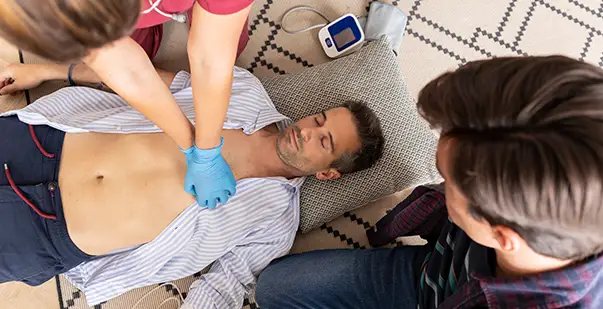
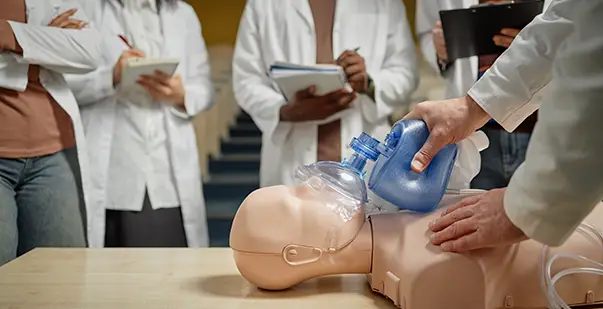
Train people with primary skills like CPR, wound dressing, and how to move someone safely. Incorporate fire response, staying safe when floods occur, and searching for missing persons. Training is conducted on a frequent basis to ensure that everyone is equipped to handle emergencies, thus reducing fear and panic when emergencies occur.
Keep your members active with routine meeting sessions and mock incidents. Monitor progress by measuring response time and gathering feedback. Revise plans every year, incorporating lessons learned from actual incidents. This makes your rural CERT functional and prepared.
In rural communities, telephone and internet connections can be weak or unavailable during emergencies. That is why it is essential to utilize simple technology that does not require robust networks. Through appropriate technology, communities can continue to remain connected, exchange updates, and receive assistance when they need it most. The most typical examples are:
Two-way radios help people stay in touch when telephone networks are down. They are simple to use and work well at short distances. In times of crisis, they can be utilized by volunteers to dispatch information, summon help, or guide others, even in the case of a power or internet outage.
Satellite phones don’t need cell towers. They directly communicate with satellites in the sky. The phones are convenient in remote locations where regular phones don’t work. They allow you to call emergency services or other communities in the case of an emergency, even in remote areas.
There are a few emergency apps that can be downloaded and used offline. They contain maps, first aid procedures, and emergency plans pre-installed in them. They help keep you informed and guide your actions, even without internet access. Make sure you download and practice them before a crisis.
Solar chargers will charge your phones, radios, and lights when power goes out. They charge from sunlight and are portable. That means your team will not be disconnected when power lines get cut with a few solar chargers in your emergency kit.
To keep a rural emergency preparedness response network running, it’s important to plan for long-term support. Community-based planning helps find ways to get money, supplies, and people involved. With the right support, your network can stay active, grow stronger, and be ready for any emergency.
Apply for grants from government programs or non-profit organizations that support disaster safety. These grants can help pay for training, supplies, and communication tools. Look for programs focused on rural areas, health, or emergency response. A well-written application can bring valuable support to your network.
Local shops, farmers, and families may be willing to help. Ask for donations of money, food, first aid items, or tools. Even small gifts add up. People are often happy to give when they know it will help protect their own community during an emergency.
Host simple community events like fairs, sports matches, or workshops. Use these to collect money and tell people about your emergency response group. Events bring people together, build interest in your network, and help you raise funds while also educating others on safety.
Hold regular meetings to train new members, review plans, and check supplies. Staying active keeps people involved and ready. It also helps you spot any problems early. A group that meets often stays stronger, more prepared, and more connected when real emergencies happen.
Rural communities are vulnerable to many challenges in emergency situations, including distances, fewer hospital centers, and less connectivity. Nonetheless, with local planning, coordination, and proper equipment, even a small community can act rapidly and save lives. Think of a single rural church that becomes the hub for distributing blankets, water, and first aid kits after a blizzard — small networks make a big difference. Networking for community emergency response involves volunteers, pre-stocking of supplies, and readiness. It also brings people together and makes the whole region safer and more resilient.
Want to make your community safer? Start by providing volunteer CPR training. Sign up for a CPR training class today and be ready to help when it matters most.
Read More:
Subscribe
Search Here
Select Courses
Recent Posts
Categories