

Hyperventilation: Symptoms, Causes, Remedies and Treatment
Hyperventilation is a symptom

Last Updated On: February 9, 2026

Brief Guide: How to Deal with Hyperventilation

Introduction

Have you ever felt like you couldn’t catch your breath, like your chest was tight, your head was spinning, and everything around you seemed a little off? Chances are, you might have experienced hyperventilation. It occurs when people breathe out more than they breathe in. 

Hyperventilation often causes symptoms like lightheadedness, chest pain, and a feeling that one may be out of breath. It commonly happens because of anxiety or stress, and sometimes due to underlying physical conditions. About 1 in 10 people visiting their doctor is dealing with hyperventilation in some form. So, keep reading to learn how to deal with hyperventilation and overcome its risk factors in this guide. 

What is Hyperventilation?

Hyperventilation is a condition that occurs when you start breathing very quickly. This causes an imbalance between inhaling oxygen and exhaling carbon dioxide. Ultimately, it reduces the amount of carbon dioxide in your body.

Low carbon dioxide levels narrow the blood vessels that usually supply blood to the brain. This reduction in blood supply leads to other severe symptoms like lightheadedness and tingling in your fingers. In rare cases, severe hyperventilation can also lead to loss of consciousness.

This condition is rare in certain individuals and occurs only as an occasional, panicked response to fear, stress, or a phobia. For others, hyperventilation occurs as a response to emotional states, such as anxiety,  depression, or anger. 

Hyperventilation vs. Panic Attack 

Hyperventilation and panic attacks are some of the critical medical emergencies you should be prepared to handle anytime. However, there are significant differences between the two conditions that you must be aware of before managing the symptoms. 

Here is a comparison table showcasing the differences between the two conditions in detail: 

Factor Hyperventilation Panic Attack
Primary Cause Triggered by stress, anxiety, medical conditions, or overexertion. Caused by extreme anxiety or fear.
Symptoms Dizziness, tingling, shortness of breath, rapid heartbeat, lightheadedness. Intense fear, chest pain, heart palpitations, sweating, trembling, feeling of losing control.
Onset It can be gradual or sudden, depending on the cause. Sudden onset may increase within minutes.
Duration Can last for several minutes to hours. Usually lasts 5 to 20 minutes, but can feel longer.
Management Slow breathing, diaphragmatic breathing, and stress management  Grounding techniques, breathing exercises, reassurance, and professional therapy.
Medical Concern Usually harmless, but may indicate an underlying medical condition. It can be mistaken for a heart attack; medical evaluation may be needed.

Everyday Skills That Matter

What Are the Causes of Hyperventilation?

Hyperventilation can be caused by various factors, with studies showing that anxiety and stress contribute to about 60% of hyperventilation cases in adults. (Source: National Institutes of Health, 2020). This condition often takes the form of a panic attack in several cases. Other common causes of hyperventilation include:

Anxiety and Panic Disorders

Emotional stress, fear, or panic attacks may often trigger hyperventilation. When a person is anxious, their breathing rate increases. This often leads to a cycle of over-breathing and worsening symptoms in the individual, causing breathing difficulties. 

Medical Conditions

Certain medical conditions can also trigger hyperventilation, including asthma, chronic obstructive pulmonary disease (COPD), and lung infections, which are responsible for approximately 30% of hyperventilation cases in individuals with respiratory disorders. (Source: American Lung Association, 2021) This can lead to reduced oxygen levels, wheezing, and shortness of breath, which often requires medical attention.

Pain and Fever

Pain and fever can lead to hyperventilation, with studies showing that up to 25% of patients with severe pain or fever experience an increase in breathing rate as a physiological response. (Source: Journal of Pain Research, 2020). This can lead to increased breathing rates because the body attempts to regulate temperature and manage discomfort, causing dizziness and an imbalance in oxygen and carbon dioxide levels. 

High Altitude and Oxygen Deficiency

Being at a high altitude where oxygen levels are lower can cause the body to compensate by increasing breathing rates. This can lead to shortness of breath, dizziness, and fatigue as the body struggles to adjust to the reduced oxygen availability. 

Exercise and Physical Overexertion

Intense physical activity can sometimes cause people to breathe too quickly, especially if they are not accustomed to strenuous exercise. This can lead to dizziness, lightheadedness, and an imbalance in oxygen and carbon dioxide levels. It often becomes harder to catch your breath in such conditions. 

Metabolic Disorders

Certain metabolic imbalances, such as those seen in diabetic ketoacidosis, can lead to abnormal breathing patterns, such as hyperventilation. It helps the body expel excess carbon dioxide in an attempt to restore pH balance, but it can also cause dizziness and fatigue.

What Are The Signs and Symptoms of Hyperventilation?

Hyperventilation can lead to a range of symptoms, with studies showing that about 50% of individuals with hyperventilation report experiencing dizziness and tingling in their fingers or toes. (Source: American Academy of Family Physicians, 2021). Hyperventilation happens when you start taking fast, deep breaths, often without realizing it. You may not immediately notice that your breathing is off, but your body will let you know through the symptoms it causes. That is why looking out for signs and symptoms is mandatory to ensure you get hyperventilation first aid on time. 

Shortness of Breath

A feeling of not getting enough air despite rapid breathing is a common symptom of hyperventilation. It may feel as if no matter how deeply you breathe, you are not getting enough oxygen.

Dizziness and Lightheadedness

This happens because hyperventilating disrupts the balance of oxygen and carbon dioxide in your body, reducing blood flow to your brain. It might feel like the room is spinning, or like you’re about to pass out.

Chest Pain or Tightness

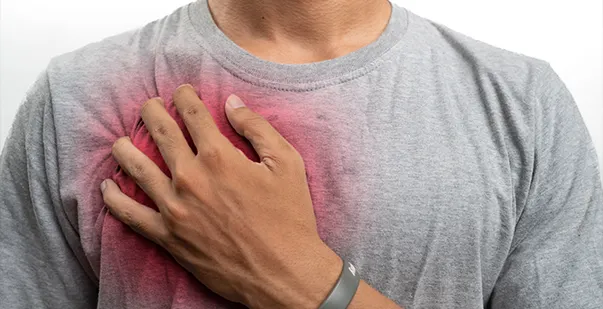
Some individuals experience chest discomfort due to excessive breathing and muscle strain. While it is usually harmless with hyperventilation, it can feel similar to a heart attack, which can make it even more frightening.

Numbness and Tingling

A common effect of hyperventilation is tingling sensations in the fingers, lips, and face due to changes in blood chemistry. This often leads to a sensation of pins and needles spreading across the body.

Rapid Heartbeat

Increased breathing rates can lead to a racing heart, which may cause further anxiety. The sensation of a pounding heart can make it feel as if something is seriously wrong.

A Feeling of Panic or Fear

Since hyperventilation is closely linked to anxiety, those experiencing it may feel extreme panic or a sense of impending doom. This overwhelming fear can make it harder to regain control of breathing.

Immediate Steps to Stop Hyperventilation

Breathing into a paper bag can reduce hyperventilation in up to 80% of cases within just a few minutes by helping to rebalance oxygen and carbon dioxide levels. (Source: Mayo Clinic, 2020). You can not stop hyperventilation in all cases. However, if stress and anxiety contribute to these abnormal breathing episodes, a few stress management and relaxation techniques may help you prevent them. Here are the steps that show how to stop hyperventilation:

Focus on Slow Breathing

Try to take slow, deep breaths through your nose and exhale through your mouth. Counting to four while inhaling and six while exhaling can help restore normal breathing patterns.

Practice Diaphragmatic Breathing

Place one hand on your stomach and the other on your chest, ensuring that only your stomach moves as you breathe. This technique helps regulate oxygen and carbon dioxide levels.

Use the Paper Bag Method (With Caution)

If advised by a healthcare provider, breathe into a paper bag to rebalance carbon dioxide levels. However, all breathing techniques for hyperventilation must be done carefully and only for a few breaths to avoid oxygen deprivation.

Find a Comfortable Position

Sit upright or lie down in a relaxed posture to reduce physical tension. Avoid slouching, as this can restrict airflow and make breathing more difficult.

Distract Yourself from Panic

Engage in a calming activity like listening to music, watching something light-hearted, or holding an object to ground yourself. Redirecting your focus can help break the cycle of anxiety-induced hyperventilation.

Use Positive Affirmations

Remind yourself that hyperventilation is not life-threatening and will pass. Repeating phrases like “I am in control” can help reduce anxiety and regulate breathing.

Seek Fresh Air

If you are in a crowded or stuffy space, move to an open area with better ventilation. Fresh air can help ease feelings of suffocation and make breathing feel easier.

Effective Breathing Techniques to Regain Control

Practicing slow, deep breathing can help restore control during hyperventilation, with studies showing that deep breathing techniques can reduce anxiety and hyperventilation symptoms by 70% in just a few minutes. (Source: Journal of Clinical Psychology, 2020). Hyperventilation can feel overwhelming, but practicing specific breathing techniques can help restore normal breathing patterns and prevent further distress. Here are some effective methods to regain control:

Diaphragmatic Breathing

Also known as belly breathing, this technique involves deep breaths using the diaphragm rather than shallow chest breathing. To practice, place a hand on your stomach, inhale deeply through the nose, and exhale slowly through the mouth.

Pursed-Lip Breathing

This method helps slow down breathing and increase carbon dioxide retention. It involves inhaling through the nose for a count of four and exhaling through pursed lips for a count of six.

4-7-8 Breathing Technique

This technique consists of inhaling for four seconds, holding the breath for seven seconds, and exhaling for eight seconds. It helps relax the nervous system and control hyperventilation episodes.

Box Breathing

Box breathing is a breathing technique used by athletes and military personnel. It usually involves inhaling for four counts, holding for four counts, exhaling for four counts, and pausing for four counts before repeating the cycle.

When to Seek Medical Help for Hyperventilation

Occasional episodes of hyperventilation are often considered harmless. However, if hyperventilation persists or is accompanied by chest pain, shortness of breath, or confusion, it’s crucial to seek immediate medical help. Persistent hyperventilation may indicate an underlying medical condition such as a respiratory or cardiac issue, and timely intervention can prevent serious complications. (Source: American Heart Association, 2021). Consult your healthcare provider immediately in any of the following situations:

  • You experience hyperventilation for the first time. This may often be the sign of an underlying medical emergency. So, you must visit an emergency responder (ER) as soon as possible. 
  • You hurt your head, are in pain, have a fever, or are bleeding.
  • Your hyperventilation becomes more frequent or gets worse, even with home treatment.
  • You have other signs and symptoms, such as severe chest pain, dizziness, difficulty breathing, trouble speaking, etc. 

Preventing Hyperventilation: Long-Term Strategies

You can easily prevent or manage hyperventilation with some long-term lifestyle changes and mindfulness practices. This involves learning how to recognize respiratory distress and handle the situation effectively. Here are some long-term strategies to prevent hyperventilation:

Stress Management

Practice stress reduction techniques, such as yoga, meditation, or engaging in hobbies. These activities can help you prevent hyperventilation episodes caused by anxiety.

Regular Exercise

Engaging in physical activities can improve lung function and overall respiratory health, reducing the likelihood of hyperventilation. Poor posture can restrict lung expansion and lead to inefficient breathing. Sitting and standing with an upright posture can also promote better airflow.

Avoid Triggers

Identify and avoid triggers, such as caffeine, alcohol, or stressful situations, to reduce the frequency of hyperventilation episodes. Regularly engage in breathing exercises to train your body to maintain a steady and controlled breathing rate.

Seek Therapy for Anxiety and Panic Disorders

If hyperventilation is caused by chronic anxiety or panic attacks, make sure to seek cognitive-behavioral therapy (CBT) or counseling. These treatment sessions can help in the long-term management of the condition. 

Staying Calm and Managing Breathing Effectively!

Hyperventilation, though alarming, can be managed effectively with the right techniques and lifestyle changes. Recognize the triggers, practice proper breathing techniques, and adopt stress management strategies to reduce the frequency and severity of the condition. 

By incorporating effective breathing techniques for hyperventilation and making long-term lifestyle changes such as stress management and regular exercise, individuals can significantly reduce the frequency and intensity of these episodes. Learning how to stop hyperventilation through slow, controlled breathing and grounding methods can offer immediate relief and prevent escalation.

For handling the condition with confidence, consider enrolling in a CPR or first aid certification course. It’s a smart step toward being prepared, calm, and in control during respiratory emergencies.

Online CPR Certification

First Aid for Real Life Emergencies

Know What to Do When It Matters