





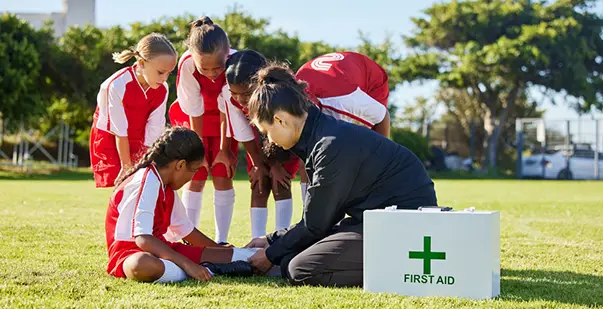
Extreme Sports First Aid: Injury Prevention and Response
Mar 12, 2026

Last Updated On: February 9, 2026
Your dad misses a step coming down the porch and lands hard on one knee. He insists he’s fine, just a bruise, but you’re not so sure. In that moment, you realize how crucial it is to know what to look for, how to clean a wound properly, and when it’s time to call for help.
That’s the quiet reality of caring for aging parents. It’s not always dramatic, but it’s constant, little slips, dizzy spells, chest tightness that might be nothing, or maybe something more. In fact, each year, an estimated 684,000 individuals die from falls globally (WHO, 2021). And most families aren’t taught what to do in those in-between moments.
That’s why learning how to deliver first aid for elderly people makes such a difference. From falls and cuts to breathing issues, the right knowledge helps you act early and support your loved one confidently, without the guesswork.
First aid means giving quick help to someone who’s hurt or suddenly sick before a doctor or ambulance gets there. It includes simple steps like stopping bleeding, doing CPR, or spotting a stroke. Let’s talk about why first aid skills matter so much when you’re caring for elderly parents. Being prepared can stop small accidents from turning into serious problems:
By age 65, most adults face changes that raise their risk of falling. Muscle strength drops (a condition called sarcopenia), balance isn’t as steady, and reaction times slow down. Conditions like osteoporosis make bones weaker, so even a simple fall can lead to a fracture. Most hip fractures in older adults come from falls.
Vision and hearing changes, as well as conditions like cataracts, glaucoma, or hearing loss, also increase fall risk.
Falls aren’t rare. They affect over 30% of adults over 65 every year, according to the National Library of Medicine . Once someone turns 80, that number climbs to nearly half. Yet many seniors don’t report falls, often because they fear losing independence or being moved to assisted elder care at home. Even “near falls”, losing balance without hitting the ground, can signal a high future risk.
A history of falling, especially combined with poor balance or gait issues, is one of the strongest predictors of another fall.
Falls are among the top reasons older adults visit emergency rooms. In the U.S., they cause about 3 million ER visits and over 1 million hospital admissions every year. The financial burden goes beyond hospital bills. It includes rehabilitation, home modifications, and long-term elder care at home. Hip fractures alone carry a high mortality rate, with a lot of older adults dying within a year from complications such as pneumonia, blood clots, or infection.
Not every fall causes a broken bone. But even a bruise, a head bump, or trouble walking for a few days can change your routine. If you’re on blood thinners, you’re more likely to have internal bleeding, even from small injuries.
Head injuries are especially risky. Symptoms like confusion, headache, or blurry vision can show up hours later. These signs may point to a slow brain bleed. After a fall, limited movement can also cause muscle loss or lead to deep vein thrombosis (DVT). That makes recovery harder and slower.
This is why fall prevention isn’t just a safety tip; it matters for your long-term health.
Older adults don’t recover as quickly as they once did. Even minor injuries, such as cuts, skin tears, or mild burns , can become infected quickly, sometimes progressing to infections or cellulitis. On top of that, sedating medications, such as certain painkillers or sleeping pills, can increase both the risk and severity of accidents by slowing reflexes and reaction time. The body’s ability to recover slows down with age, so even “small” injuries can be far more dangerous than they seem.
If you know basic first aid, you can act fast. You’ll know how to keep a fracture still, control bleeding , or clear someone’s airway until help arrives. You’ll also be able to spot signs of something serious, like a hip fracture or head injury, so you can get medical help right away. You’ll also understand when not to move someone, such as in suspected spinal injuries, and how to monitor vital signs while waiting for emergency responders.
First aid training doesn’t just prepare you for emergencies. You’ll be able to recognize the signs of stroke (FAST: Face drooping, Arm weakness, Speech difficulty, Time to call EMS), respond to low or high blood sugar in diabetic parents, and act fast during chest pain or breathing difficulties. Combine that knowledge with simple safety upgrades, grab bars, improved lighting, and regular medication reviews, and you’ll make your home a safer place for your aging loved ones every day
When an elderly parent has an accident or sudden health issue, your first reaction might be to rush in. But if you act without taking a moment to assess what’s happening, you could end up hurt or make things worse for them. Here’s how to start:
Before you touch or move your parent, stop and look around. Is there water, broken glass, or exposed wiring? Could you trip on a rug or step wrong on something uneven? If you spot a hazard, remove it if you can. If that’s not possible, move yourself, and only move your parent if you’re sure it’s safe to do so.
Walk up calmly and say their name. Gently tap their shoulder. If they respond but seem confused, stay with them. Speak clearly and reassure them while you try to understand what’s going on. If they don’t respond, don’t shake or move them. They might be hurt. Check if they’re breathing and if you can feel a pulse.
If you’re not sure how bad it is, call 911 right away. Don’t guess. Some problems, like strokes or heart attacks, can get worse in minutes. Even if the person seems okay for now, getting help early can make a big difference. It’s always better to call than to wait and regret it later.
Elderly parents are more likely to get hurt and take longer to recover. Knowing what to do right away can stop a small scare from turning into a hospital visit. Here’s how you can handle common situations with confidence:
CPR (Cardiopulmonary Resuscitation) is one of the most important skills you can have when caring for older adults. Seniors often have fragile bones or health issues, so you need to be careful. Press firmly enough to keep blood flowing but slightly gentler than you would for a younger adult.
Put the heel of your hand on the center of their chest, lock your fingers, and push about 2 inches deep at 100–120 compressions per minute. If you don’t know rescue breaths, stick to hands-only CPR for the elderly; it still saves lives. And remember, always call emergency services right away.
Choking can get serious very fast. Watch for signs like clutching the throat, not being able to talk, or a weak cough. Ask them to cough forcefully first. If they can’t clear the airway, do the Heimlich maneuver .
Stand behind them, wrap your arms around their waist, place your fist just above the belly button, and push in with quick upward thrusts. For frailer adults, keep the thrusts controlled so you don’t break ribs. Call for emergency help if they pass out or if the blockage won’t clear.
For small cuts or scrapes, rinse the wound under running water for a few minutes to wash away dirt. Press a clean piece of gauze on it until the bleeding stops, then cover it with a bandage.
For heavier bleeding, keep pressing down and, if possible, raise the injured area. Call a doctor or emergency services if bleeding won’t stop after 10 minutes, if the wound is deep, or if you see swelling, redness, or pus.
Falls happen often with seniors, so it’s important to stay calm. First, see if they’re hurt before you move them. If there’s severe pain, a twisted limb, or signs of a head or spine injury, don’t try to lift them, keep them still, and call for help.
If the fall seems minor, help them get up slowly while supporting their weight. Afterward, watch for dizziness, confusion, or pain that might show up later.
Spotting the signs early can save a life. For a heart attack, look for chest pain, trouble breathing, nausea, or pain that spreads to the arm or jaw. For a stroke, remember FAST: Face drooping, Arm weakness, Speech trouble, and Time.
Note when symptoms start and call emergency services right away. Acting quickly can limit heart damage or brain injury.
If someone suffers a burn, run cool water over the area for at least 10 minutes. Don’t use ice, it can make the injury worse. If they have a seizure, don’t hold them down or put anything in their mouth. Move sharp objects away, cushion their head, and roll them onto their side after the shaking stops to keep their airway clear.
For severe allergic reactions, like swelling, hives, or trouble breathing, use epinephrine if available and call emergency services right away.
Keeping a first aid kit and an emergency plan is something every family caring for older adults should do. When the right supplies or information aren’t within reach, even a small fall or cut can quickly become more serious. Here’s what to include and how to keep everything ready when you need it most:
Add bandages, antiseptic wipes, a thermometer, gloves, and items specific to older adults, like a pill cutter, blood pressure monitor, and extra hearing aid batteries. You should also keep a pocket mask or face shield for rescue breaths.
Go through the kit every three to six months. Replace expired medications, ointments, and antiseptic solutions. Test battery-powered devices (flashlights, thermometers, blood pressure (BP) monitors). Check elastic bandages and gloves for brittleness, as older materials can tear easily.
Write down allergies, medications, and health conditions. You should also mention the primary doctor’s name and contact information, preferred hospital, and health insurance details. Keep one copy in the kit, another on the refrigerator (easy for EMS to find), and a digital version on your phone.
Create a full list of contacts and include the contact details of immediate family, close friends, neighbors, and caregivers. You can segregate this list further and add information about the primary care physician, specialists, local urgent care, pharmacy, and emergency numbers like 911, poison control, and non-emergency police. Keep one laminated copy in the kit and store a backup in your phone.
Map out what to do for falls, sudden illness, or medication issues. Assign clear roles (who calls 911, who starts first aid, who meets EMS at the door). Include backup options if the primary caregiver is unavailable. Practice drills at least twice a year so emergency response for older adults becomes second nature.
First aid and CPR aren’t “learn once and you’re done” skills: They fade if you don’t practice. If you have elderly parents at home, that knowledge gap can put them at risk. Regular certification or refresher courses help you keep your skills sharp. They update you on the latest care guidelines, like how to adjust chest compressions for someone frail or what to do if an elderly person with dentures is choking.
Look for CPR and first aid refresher programs from trusted, reputable organizations. Choose accredited courses that are updated regularly, so you learn the newest, proven steps. Because when your loved ones need help, you won’t hesitate and know exactly what to do.
Read More:
Subscribe
Search Here
Select Courses
Recent Posts
Categories