






Digital Detox for Healthcare Workers: Managing Screen Time and Tech Burnout
Jan 19, 2026
Last Updated On: February 9, 2026
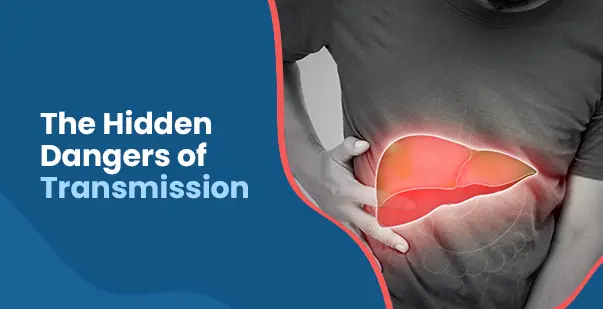
Bloodborne pathogen transmission is a serious concern for front-line clinicians, lab techs, and custodial staff on the job. Viruses like Hepatitis B (HBV), Hepatitis C (HCV), and HIV can be contracted through a single needlestick injury or an accidental splash. For instance, a nurse drawing blood could accidentally prick her finger with a used needle, instantly putting her at risk of Hepatitis B, Hepatitis C, or HIV. According to the Centers for Disease Control and Prevention (CDC), 385,000 needlestick and other sharp-related injuries are reported in the U.S. every year.
HBV is especially risky in clinical settings, as it’s much easier to transmit than HIV. It can survive on surfaces for days, and is found in far higher numbers in blood. However, HIV requires only a tiny amount of infected fluid to spread. Among all, HCV often shows no symptoms for years and further increases the danger. So, read on to learn about the transmission risks of these viruses, safety measures for protecting staff and strategies to reduce occupational exposure.
Hepatitis B virus (HBV) is one of the most infectious bloodborne pathogens. It can survive outside the body for up to 7 days. It can be transmitted through direct contact with infected blood or certain body fluids, even in minute amounts. For example, sharing an infected razor with someone who has HBV can lead to contamination, as tiny traces of blood on the blade are enough to transmit the virus.
HBV is present in blood, semen, vaginal fluids, and wound exudates. The viral load can reach up to 10⁹ virions per milliliter, making it far more transmissible than HIV. Infection occurs when these fluids enter the body through broken skin or mucous membranes, for example, during a needlestick injury, blood splashes to the eye, or deep bites that break the skin.
Unprotected sexual intercourse is a major adult transmission route for HBV. Condoms reduce the risk by about 70%, but consistent use is important for full benefit. HBV can also spread during oral sex if there are sores or bleeding gums.
At home, even sharing personal items like razors, toothbrushes, or nail tools can increase Hepatitis B risk. As the virus can remain infectious on dry surfaces for a week, even dried blood can be a source of infection.
A mother positive for HBsAg and HBeAg can transmit HBV to her newborn during delivery in 70–90% of cases if no preventive measures are taken. The newborn’s risk drops dramatically when given the first dose of the HBV vaccine and hepatitis B immune globulin (HBIG) within 12 hours of birth.
Learn infection control & safety at cprcare.com
Hepatitis C virus (HCV) spreads primarily through blood-to-blood contact, but its patterns differ from HBV. It is less likely to be transmitted sexually or through casual household contact. The common routes for this bloodborne pathogen transmission are discussed as follows:
The majority of HCV infections come from direct exposure to infected blood. Common causes include shared needles among people who inject drugs, accidental injuries with contaminated medical sharps, and use of non-sterile tattoo or piercing equipment.
For example, if a tattoo artist uses a needle on a person infected with HCV and then uses the same unsterilized needle on a healthy person, the virus can be transmitted instantly, leading to infection.
In healthcare settings, the average risk after a hollow-bore needle injury is about 1.8%.
HCV does not spread easily through sexual activity unless there is a risk of blood exposure, such as in the presence of sores, trauma, or HIV co-infection. Long-term monogamous partners have an HCV transmission risk of less than 1% per year. Household spread is rare because HCV does not survive well outside the body and is not passed through hugging, kissing, or sharing utensils.
Some transmission routes are not as well-known. In hemodialysis units, improper cleaning of machines or multi-dose vials can lead to outbreaks. Intranasal drug use, which involves sharing straws or other equipment, can cause tiny nosebleeds that allow virus exchange.
There is no effective vaccine for HCV and prevention is the only resort to stay protected. This includes single-use needles, proper sterilization of tattoo/piercing tools, and rigorous infection control in medical settings. Treating infected individuals with antiviral therapy can eliminate the virus from their blood, reducing the overall community transmission risk.
HIV (Human Immunodeficiency Virus) weakens the immune system, making it harder to fight infections. Effective treatment now allows people to live long, healthy lives. However, HIV in healthcare and community settings remains a serious concern. Transmission happens only when infected blood, semen, vaginal fluids, or breast milk enters another person’s body.
For example, a lab technician handling samples without protective goggles could accidentally expose their eyes to infected blood droplets, putting them at risk of HIV infection.
Healthcare workers can be exposed through needlestick injuries, splashes of blood to mucous membranes, or cuts from contaminated instruments. Even with safety protocols, the risk exists, which makes strict adherence to PPE and sharps safety important.
HIV does not spread through casual contact, hugging, or sharing utensils. However, lack of awareness and unsafe practices still result in infections worldwide, especially where access to testing and prevention is limited.
Some people face higher infection risks of bloodborne pathogen transmission due to lifestyle, occupation, or healthcare access. Let’s look at which groups are most vulnerable and how targeted efforts can make a real difference in stopping the spread.
| High-Risk Group | Reason for Higher Risk | Virus Concern |
| Healthcare workers | Occupational exposure via needlesticks, blood contact | HBV, HCV, HIV |
| People who inject drugs | Sharing contaminated needles or equipment | HBV, HCV, HIV |
| Unvaccinated individuals | No immunity against Hepatitis B | HBV |
| People receiving unscreened blood products | Bloodborne virus transmission | HBV, HCV, HIV |
| Infants born to infected mothers | Mother-to-child transmission | HBV, HCV, HIV |
| People with multiple sexual partners | Higher chance of contact with infected fluids | HBV, HIV |
| Incarcerated individuals | Close quarters, unsafe tattooing, needle sharing | HBV, HCV, HIV |
People falling in these categories should be especially vigilant with vaccination (for Hepatitis B), regular testing, and harm-reduction measures to lower transmission risk.
Hepatitis B, Hepatitis C, and HIV are not your everyday contagious threats. These viruses depend on direct access to the bloodstream, semen, vaginal fluids, or, for HIV and Hepatitis B, breast milk. Casual, social, and routine daily activities will not deliver these infections. Here’s a list of certain daily activities with no risk of transmission:
Persistent myths about airborne, foodborne, or touch-based spread fuel unnecessary stigma. However, the science is clear that risk only comes from unprotected sex, needlesticks, transfusion with infected blood, or shared injection equipment.
Bloodborne pathogen transmission from mother to child is also called vertical transmission. It can happen before birth, during delivery, or (rarely) through breastfeeding. Hepatitis B, Hepatitis C, and HIV follow their own ways for risk and defense, as discussed below:
Without intervention, up to 90% of newborns exposed during birth will become chronically infected. But a dose of hepatitis B vaccine plus immune globulin (HBIG) given within 12 hours of birth slashes the risk to under 10%.
Mother-to-baby spread of HCV happens about 6-7% of the time. There’s no vaccine, but carefully managing labor and avoiding certain delivery procedures can lower the risk of passing the virus to the baby.
Without protection, 15-45% of infants are infected during pregnancy, delivery, or breastfeeding. But with a combination of antiretroviral therapy (ART), safe delivery practices, and controlled breastfeeding, the risk of HIV exposure is less than 1%.
Everyone deserves to move through life and through work without fearing silent threats in blood or bodily fluids. With simple, smart steps, you can shield yourself and those you care about from Hepatitis B (HBV), Hepatitis C (HCV), and HIV. Here are some key strategies to turn anxiety about “what if” into confidence about “what works”, including needlestick injury prevention:
Prevention of bloodborne pathogen transmission is not a single act. You must vaccinate, use barriers, get regular tests done, do not share your equipment, and wear protection. If you’re a healthcare worker or outreach professional, it is your duty to encourage other staff members, patients, and even the wider community to follow all safety measures. Talk openly about risks, about prevention, about testing. Silence helps viruses; conversation breaks their chains.
Ready to step up? Sign up for a certified Bloodborne Pathogens Training online today. Equip yourself to protect, respond, and lead, because confidence is contagious, too!
Read more:
Subscribe
Search Here
Select Courses
Recent Posts
New CPR & AED Laws in Schools Explained
Categories