






Extreme Sports First Aid: Injury Prevention and Response
Mar 12, 2026
Last Updated On: March 20, 2026
In spring 2024, a veteran collapsed at a Young Men’s Christian Association (YMCA) from a sudden cardiac arrest. Bystanders, including a physician working out nearby, immediately began CPR and applied an AED. After nearly ten minutes of careful resuscitation and defibrillation, the man’s heart was restarted. This rescue illustrates how quick cardiopulmonary resuscitation (CPR) and defibrillation can save lives. Prompt CPR greatly raises the odds (even doubling or tripling survival), but only ~40% of individuals receive bystander CPR. In this guide, we will understand real-world CPR success rates, outcome factors, and new advances that can help us improve these statistics.
Let’s see what are the odds of surviving CPR. CPR is an essential life-saving technique. There is still a chance of survival within the first four minutes after the arrest. Brain damage is not likely. Within 4-6 minutes, brain damage could start to approach the point of brain death. After reviving, the victim may continue to experience problems. Brain damage is likely to occur within 6 to 10 minutes. After 10 minutes, brain death can happen, and the prognosis for survival is poor.
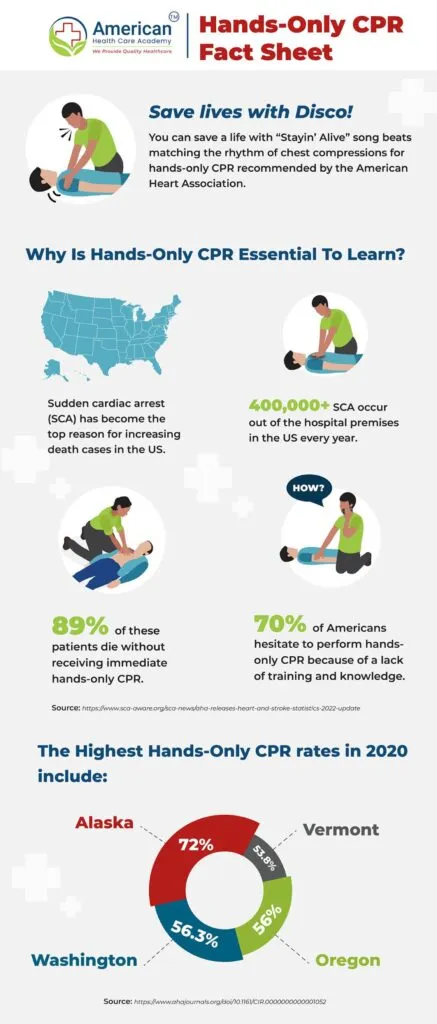
Despite this, almost 70% of Americans are still afraid to perform CPR. As a result, people need to learn CPR and get CPR recertification once every two years. Individuals who have doubts about their ability to perform a resuscitation will do it confidently after learning CPR.
Cardiopulmonary resuscitation (CPR) is one of the most important life-saving emergency techniques when someone’s heart or breathing stops. It is one of the key techniques required in case of sudden heart arrest, drowning, choking, drug overdose, or major trauma. With the continuation of blood flow and oxygenation of the brain and major organs, CPR significantly improves the prospect of survival until the patient receives advanced medical care.
CPR today is the culmination of centuries of medical practice and research. There have been numerous milestones over the past that have defined the teaching and conduct of CPR:
Since CPR’s inception, guidelines have been updated regularly. Today’s CPR guidelines also stress high-quality compression and minimal interruptions.
Training programs and dispatcher-assisted CPR instructions have also become more prevalent. According to the AHA, patients who receive immediate bystander CPR and early AED use have survival rates two to three times higher than those who don’t.
Cardiac arrest outcomes, i.e. survival rates, remain low, especially outside hospitals. In the U.S., the latest statistics include:
Many factors affect the success rates of CPR. For example, prompt bystander action, the underlying conditions of the person, and the environment. Among all factors affecting CPR success, time to CPR and defibrillation are the most decisive, as survival drops 7–10% for every minute delay. Below are the key factors affecting CPR success:
Receiving bystander CPR significantly boosts survival: a large U.S. study on CPR effectiveness found bystander CPR provides a 28% higher chance of survival compared to no CPR. Along with early defibrillation using an AED, CPR is even better and helps save a life until medical help arrives.
The majority of OHCA (about 73% of cases among adults) are witnessed in residential settings, where CPR is less efficacious due to time lost in consciousness, minimal intervention from bystanders, and nonavailability of an AED. Conversely, OHCA (about 16%) in out-of-hospital locations are exposed to rapid response, frequently with immediate defibrillation and CPR.
An arrest being witnessed is hugely important. If someone sees the collapse, they can call 911 and start CPR immediately. Data shows that U.S. adults, 13.3% of bystander-witnessed OHCAs have higher positive outcomes compared to unwitnessed events, where CPR is delayed.
The heart’s rhythm at the time of arrest strongly determines the outcome. Shockable rhythms, such as ventricular fibrillation or ventricular tachycardia, have an optimal prognosis with 25–40% survival to hospital discharge. Non-shockable rhythms, such as asystole or pulseless electrical activity, rarely survive, often below 5%, highlighting the importance of early rhythm detection.
Time is critical in cardiac arrest. Survival chances fall by 7–10% for every minute without defibrillation. CPR started within one to two minutes can double or triple survival odds. After ten minutes with no CPR or defibrillation, survival becomes rare.
The length of resuscitation attempts influences outcomes. Short CPR efforts of less than 15 minutes offer better chances of survival, particularly if high-quality compressions are maintained. Prolonged attempts beyond 30 minutes usually result in less than 1% survival.
Recommended compressions are 2–2.4 inches deep at a rate of 100–120 per minute, with minimal interruptions. High-quality CPR can double survival rates compared to poor technique. Interruptions longer than 10 seconds sharply reduce the chance of recovery.
Generally, young children and healthy adults have better chances than very old or chronically ill patients. Notably, infants (<1 year) have especially low OHCA survival: only ~5.7–6.5% survive past discharge. Older children (1–18 years) fare better (roughly 14–21% survival). In adults, each year of additional age slightly reduces odds.
Research shows race and sex disparities. One study funded by NIH compared CPR outcomes after analyzing records of more than 600,000 arrests in adults. It found that both Black and Hispanic patients survived CPR at rates lower than White patients. The difference is because individuals are also delayed in CPR, have lower rates of bystander response, and unequal access to prompt medical care.
Hospitals providing advanced care, such as targeted temperature management and coronary interventions, greatly improve neurologic recovery. With structured post-resuscitation care, survival with good brain function can rise to 30–40% in shockable rhythm cases.
Automated External Defibrillators (AEDs) boost CPR success rates by delivering a life-saving shock if the heart is in a shockable rhythm. The speed of defibrillation is critical: studies report that 9 in 10 cardiac arrest victims survive if they receive an AED shock in the first minute. After about 5–10 minutes, survival falls off a cliff.
However, AEDs are still underused by bystanders. For example, although about 15% of arrests occur in public places, only ~10% of those had a bystander-applied AED delivered prior to EMS arrival. In many areas, public AEDs are scarce or not visible.
Just like other skills, CPR efficiency will decrease if not refreshed through practice. Consistent skill refreshers directly improve real-world CPR success rates by ensuring rescuers act faster and with proper technique. Moreover, continuing education and modern tools might help you feel secure and proficient at a time of necessity. Significant ways you can improve your skills are:
Get CPR certification and recertify regularly (at least every 2 years). In one study of students in nursing school, students who were trained with high-fidelity simulation versus lecturing alone did much better on CPR skills testing. Practice with a manikin with real-time feedback (most classes and smartphone apps do) so your compression depth and compression rate are golden.
Technology is changing the face of CPR and emergency response. These devices make it fun and efficient to practice.
Follow current AHA guidelines (adults: compress at 100–120/minute and 5–6 cm depth; 30:2 breaths if CPR-certified, etc.). Again, even Hands-Only CPR is very effective in adults. Make sure that your technique is up-to-date after reviewing AHA materials or Red Cross materials.
Skills dwindle quickly. In surveys, CPR skills are significantly lost after as few as 3–6 months without refresher training. Try occasional practice drills or demo videos on an infrequent schedule for quick maintenance. A few community programs go back for CPR “booster” classes or take quick online skills quizzes as a knowledge retention measure.
CPR is lifesaving, but it is not a sure thing. Today’s stats reveal that about 1 in every 10 patients with out-of-hospital cardiac arrest will live to be discharged. With CPR given correctly and promptly, that percentage can increase dramatically. To achieve better CPR survival rates, each and every community requires more educated rescuers, readily available AEDs, and research into improved techniques.
Technological innovations (drones, smartphone apps, VR) are also improving how quick and efficient we are able to respond. So, if you also want to be a contributor in creating a safer community for all, enroll in our certified online CPR course. Learn from the experts as per your convenience and gain confidence to act in high-pressure situations.
Read More:
Subscribe
Search Here
Select Courses
Recent Posts
Categories