





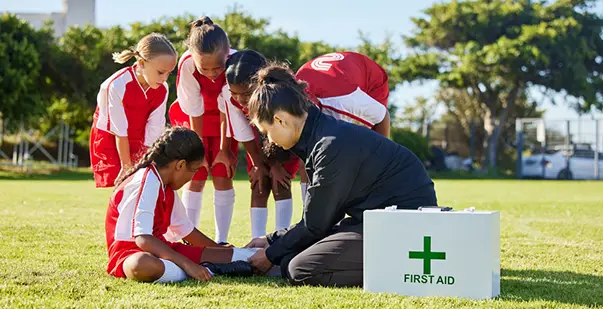
Extreme Sports First Aid: Injury Prevention and Response
Mar 12, 2026

Last Updated On: February 10, 2026
The loss of a baby to sudden infant death syndrome (SIDS) is a heartbreaking and unimaginable tragedy for any parent. It’s heartbreaking because it happens without warning. Sudden infant death syndrome (SIDS), also called crib death, is a condition that refers to the unexplained death of an infant. SIDS affects infants under one year old, usually during sleep, with no clear cause. Unfortunately, the cause of SIDS is unknown. However, it may be caused by issues in the area of a particular infant’s brain that controls breathing and waking up from sleep. Let’s learn more about SIDS, its common causes, and other risk factors in detail below.
Sudden Infant Death Syndrome (SIDS) is the sudden and unexplained death of a baby between the ages of 1 month and 1 year old. This condition doesn’t have a known cause, even after a complete investigation. The exact cause of sudden infant death syndrome is unknown, but there are some other known risk factors for SIDS and ways to reduce an infant’s chances of dying from the condition.
Reports from the Centers for Disease Control and Prevention (CDC) estimate that about 3,000 babies had unexplained infant deaths, with more than 1 in 3 dying from SIDS.
Most infants who die of SIDS are between 2 and 4 months old, and most of them are younger than 6 months old. Most of these infants die when they are sleeping in their cribs or cots between the hours of midnight and 6 a.m. This is why other names for SIDS include “cot death” or “crib death.”
Sudden Infant Death Syndrome (SIDS) is most common in infants under 6 months old, with approximately 90% of SIDS cases occurring before 6 months of age. (Source: Centers for Disease Control and Prevention, 2020). Sudden infant death syndrome is an unexplained death, so its cause is unknown. However, researchers have studied all kinds of SIDS causes to understand how it occurs. The most commonly agreed-upon theory is that infants who usually die of SIDS have an underlying vulnerability, like a genetic pattern or a brain abnormality.
Then, when certain babies are exposed to a trigger during early immune or brain system development, that vulnerability causes sudden death. Risk factors for SIDS and its associated predisposition include:
Infants born before 37 weeks in the womb are often at higher risk for SIDS than those born at full term. Preterm babies may have underdeveloped organs and weaker immune systems. This also makes them more vulnerable to respiratory issues and infections.
Maternal smoking during pregnancy and smoking in the baby’s environment increase the risk of SIDS. Exposure to secondhand smoke can affect an infant’s breathing and lung development, which further increases the risk.
American Indian/Alaska Native and African American infants are at higher risk for SIDS than Hispanic American, White, or Asian/Pacific Islander American infants.
Some infants are born with issues that make them more likely to face fatalities associated with SIDS. The part of the brain that controls breathing and waking up from sleep in many of these babies hasn’t developed enough to work properly.
Being part of multiple births or being born early increases the chances of a baby’s brain not being fully developed at birth. The baby may also have less control over such automatic processes as breathing and heart rate.
Many babies who died of SIDS had recently had a cold, which may lead to breathing problems. Even a mild respiratory infection can make it harder for infants to regulate their breathing, which increases the risk of SIDS.
Infant sleep safety is a key factor in preventing Sudden Infant Death Syndrome, and sleep position also plays a role in reducing the risk. Research published in Kids Health has shown that babies who are placed on their stomachs or sides to sleep face a higher risk of SIDS compared to those who sleep on their backs. This is because stomach or side sleeping can lead to restricted airflow, increased carbon dioxide rebreathing, and overheating. These are also among the major risk factors for SIDS.
The American Academy of Pediatrics (AAP) strongly recommends placing infants on their backs for every sleep, including naps and nighttime rest. The back-sleeping position helps keep the airway open, reduces the chances of suffocation, and allows for better oxygen intake.
Using a firm mattress, avoiding soft bedding, and keeping the sleep environment smoke-free improve infant sleep safety. Caregivers should also ensure that cribs are free of pillows, blankets, and stuffed toys because these can pose suffocation hazards.
Preventing SIDS is all about creating a safe sleep environment for your little one and it’s easier than you might think! By following a few simple strategies, like placing babies on their backs to sleep and keeping their cribs free of soft bedding, you can reduce the risk of SIDS and give yourself peace of mind.
A particular baby’s risk of SIDS is much higher when they sleep on their side or stomach. A baby placed on their side can also roll over on their stomach. These positions put the infant’s face in the mattress or sleeping area, which may, unfortunately, smother them.
Lay the baby down to sleep on either a firm mattress or surface in a crib or bassinet to prevent smothering or suffocation. The baby’s crib must be on a fitted sheet and should not include any blankets, quilts, pillows, sheepskin, or stuffed toys.
Babies born to women who smoked during pregnancy are more prone to die from SIDS. Smoking when pregnant is one of the major risk factors for SIDS. Moreover, secondhand smoke around an infant also increases the chances of SIDS. Hence, the best strategy for SIDS prevention is to stop smoking completely.
A baby sleeping in the same room as the mother lowers the risk of SIDS. However, it’s dangerous for an infant to sleep with another child or an adult in the same bed, on a couch, or in an armchair.
It is recommended to put the baby back in their cradle or crib if anyone decides to put them in their bed for comfort or breastfeeding. If the mother is tired, they should not breastfeed while sitting on a couch or a chair in case they fall asleep.
However, the best thing to do is not to bring the baby to bed when parents are tired or using medicines that affect sleep.
Breastfeeding a baby can lower the risk of SIDS, though experts aren’t sure why. A few opine that breast milk may protect infants from infections that raise their risk of having SIDS. Mothers should not consume alcohol if they breastfeed because that raises a baby’s risk of SIDS. Please note that skin-to-skin contact is the key to a baby’s development.
If breastfeeding, mothers must wait until their baby is breastfeeding regularly or at least 1 month old before using a pacifier. Introducing a pacifier early can lead to nipple confusion and cause the baby to prefer the pacifier’s nipple over their own. Please note that the baby should not be forced to take the pacifier if they don’t want it.
Parents and caregivers can reduce the risk of SIDS by up to 50% by consistently placing infants on their backs to sleep and creating a safe sleep environment. (Source: Archives of Disease in Childhood) This involves understanding compression-to-ventilation ratios for infants or learning more about cardiopulmonary resuscitation (CPR) techniques. Learn what they can do to help babies sleep safely:
Scheduling routine health checkups allows doctors to monitor the baby’s growth. They can also detect any underlying health issues and provide guidance on safe sleep practices. Early identification of medical conditions like infant CPR ratios, respiratory infections, or reflux can also help prevent complications.
While babies should always sleep on their backs, supervised tummy time during wake hours is key to developing strong neck and shoulder muscles. This helps prevent positional flat head syndrome and improves motor skills. It also reduces the risk of airway blockages during sleep.
Exhausted parents or caregivers may be more likely to fall asleep while holding the baby or place them in unsafe sleeping positions. Seeking support from family members and sharing caregiving duties can help reduce the risk of accidental suffocation.
Not all sleep products marketed for infants meet safety standards. Parents should avoid inclined sleepers, soft mattresses, and sleep positioners because they increase the risk of suffocation. Always check for safety certifications before purchasing sleep-related baby products.
Sudden Infant Death Syndrome (SIDS) is every parent’s silent fear that strikes without warning. While the exact cause is still unknown, we now know that creating a safe sleep space can reduce the risk. From always placing babies on their backs to sleep, to keeping cribs free of soft toys and staying smoke-free, small changes can make a life-saving difference. SIDS can’t always be prevented with love, awareness, and a few simple steps. Breastfeeding, regular checkups, and even learning infant CPR are powerful tools in a parent or caregiver’s hands.
Read More:
Subscribe
Search Here
Select Courses
Recent Posts
Categories