





How to Check Your Pulse: Methods, Tips & Results
Mar 28, 2026
Last Updated On: February 9, 2026
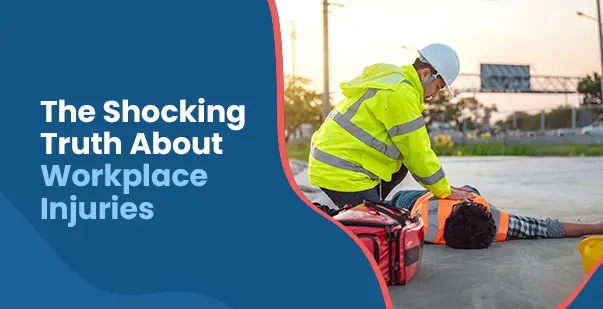
Getting injured at the workplace is common, but what if a person’s health deteriorates further? We are talking about cases when someone has a sudden cardiac arrest or a choking issue. This is where a person trained in cardiopulmonary resuscitation (CPR) and other first aid techniques can help the victim.
The U.S. Bureau of Labor Statistics reports 355,800 nonfatal injuries and illnesses. Many of these incidents involve physical trauma and other medical emergencies like cardiac arrest, electric shock, and anaphylaxis. These incidents imply an increased need for the knowledge of CPR in manufacturing, which we will also highlight in this guide.
Visit www.cprcare.com for workplace CPR training
CPR is one of the best ways to ensure workplace safety in the manufacturing sector. It witnesses high-risk activities and hazardous conditions as a part of its daily operations. So, you can implement CPR training to experience the following benefits:
Manufacturing facilities often have heavy machinery, electrical systems, chemicals, and moving equipment. Their presence increases the likelihood of severe workplace injuries. Electrocution, blunt force trauma, chemical exposure, or crushing accidents can trigger cardiac arrest that usually needs immediate life-saving intervention.
Every minute without CPR reduces a person’s chance of survival. Emergency medical services (EMS) may take precious minutes to arrive in manufacturing plants, especially those in remote or industrial zones. Trained employees can easily resolve this issue by delivering CPR until professionals take over.
A few manufacturing operations may often involve high-voltage equipment and wiring. Even brief contact with faulty electrical systems can lead to sudden cardiac arrest. If you combine CPR with an Automated External Defibrillator (AED), it can help you restore normal heart function before EMS arrives.
An organization can prove that it gives importance to workplace safety if it invests in CPR training. Online courses and simulation-based learning can also ensure employees are always prepared for emergencies.
CPR training is not a mandatory requirement for all industries. However, OSHA strongly recommends it for high-risk workplaces like manufacturing. CPR training can easily help maintain certain safety certifications and meet insurance requirements.
Not all cardiac arrests are caused by workplace injuries. Sometimes, a few workers may suffer from sudden heart conditions, asthma attacks, or choking incidents during shifts. If you are a CPR-trained professional, you can easily assist the victim in such non-work-related medical events.
On-site emergency response is a mandatory requirement, especially in the manufacturing sector. However, you do not have to use it in all cases. The following common scenarios often need CPR techniques in manufacturing:
High-voltage machinery and electrical panels are required for different operations across the manufacturing sector. Faulty wiring, exposed circuits, or arc flashes may lead to electrocution. Sometimes, they also stop the heart or impair a person’s breathing. Victims of electrical shock often need immediate CPR and an AED to get their heart rhythm restored.
Being struck by falling objects or having crush injuries may lead to internal damage, shock, or cardiac arrest. If the individual stops breathing or loses a pulse, CPR must be administered immediately to revive them.
Workers who fall from ladders, scaffolding, platforms, or mezzanines can suffer traumatic brain injuries or internal bleeding. If they become unconscious and stop breathing, the best resort is to provide them with CPR before emergency medical professionals arrive.
Inhaling any hazardous fumes or chemical spills can lead to respiratory failure. For example, if anyone is exposed to chlorine gas or carbon monoxide, they may collapse and even stop breathing. Rescue breathing and chest compressions can help you save a person’s life during such emergencies.
Intense physical labor in hot, confined environments is a common sight in a manufacturing plant or facility. This leads to overexertion, dehydration, or heat stroke, and ultimately, cardiac arrest. CPR is the first line of defense before medical personnel can intervene in these cases.
With manufacturing being a high-risk industry where accidents and sudden medical emergencies can happen at any time, having a program for industrial CPR training is mandatory. Here are the steps that you can follow to build the CPR program effectively.
Analyze all the risks you can when checking in and around the manufacturing facility. Identify which areas of the plant carry the highest risks, such as those with high-voltage equipment or chemical storage. Review earlier incidents to determine where emergency response capabilities are most urgently needed.
Management buy-in through leadership support helps you allocate proper time and budget to training programs. You can also provide them with real-life insights on workplace injuries and the effectiveness of CPR in emergencies. Inform the leadership about your goal to ensure compliance with safety standards and strengthen the case for funding.
Several reputable providers in the United States offer valid CPR and AED courses. Check for these programs that are also customized according to workplace environments. Analyze if they cover key topics such as hands-only CPR, AED operation, and responding to unconsciousness or trauma.
Train some permanent responders across all departments and work shifts. You may choose supervisors, team leads, safety officers, or operators positioned in high-risk areas. Maintain a record of who is trained and their respective certification expiration dates.
Check for all visible locations that can be accessed easily throughout the facility and install AEDs in these places. Focus on areas that may have a higher chance of getting electrical work, physical labor, or isolation. Teach employees about specific equipment, like mobile apps and wearable devices, to be better prepared for emergencies.
A good emergency action plan or policy implemented by your company should always include written CPR procedures. Make sure to explain when and how to perform CPR and who is authorized to respond. Mention how to use an AED and the steps to call 911 in the same document. Share it with all employees through break rooms, safety boards, and digital internal systems.
Build a culture of safety. Posters, newsletters, digital displays, or toolbox talks are some excellent campaigns to highlight the importance of CPR across organizations. This will help you encourage a culture of awareness across workplaces. Recognize and award staff who complete training or respond in emergencies.
Local regulations and insurance providers may have specific training requirements for companies that usually maintain certified first responders. Ensure that your CPR program aligns with these standards to reduce liability and improve compliance scores. This also helps showcase your commitment to worker safety.
Every year, several workers in manufacturing are injured, and many face emergencies that demand more than just a first-aid kit. In these cases, CPR in manufacturing acts as a crucial protection barrier to help save the lives of victims in emergencies.
Manufacturing leaders or team leads should create workplaces where emergency response is part of the safety culture. That means investing in CPR training and ensuring every shift has people who know how to save a life. If you want to learn more about the life-saving skills and techniques, enroll in an online CPR course now.
Read More:
Subscribe
Search Here
Select Courses
Recent Posts

How to Check Your Pulse: Methods, Tips & Results
Snake Bites – First aid, Treatment and Symptoms
Categories