




Snake Bites – First aid, Treatment and Symptoms
Mar 27, 2026
Last Updated On: February 9, 2026
An earthquake can last less than a minute, but in that short time, shelves can fall, glass can shatter, and communication lines can fail. When it ends, your first thought is often about more than just your own home; you’re also wondering whether your neighbors are safe.
Earthquakes end quickly, but their effects can last for hours or even days. Emergency medical response may not reach every area right away. In those first moments, families and neighbors often have to rely on each other for safety, supplies, and information.
In the past decade, earthquakes have affected millions across the U.S., with California alone seeing over 100 significant quakes since 2020. That’s why preparing for an earthquake starts well before the ground moves. This emergency preparedness earthquake guide will explore how to create a home emergency plan and work with your community, giving you and those around you a better chance to stay safe and recover faster.
Earthquakes strike without warning. In minutes, power can go out, water lines can break, gas can leak, and roads can become unusable. These problems can last for days, leaving you without basic supplies when you need them most.
After a major quake, emergency crews might not reach you right away. Damaged roads and a high volume of calls can delay their response. Here’s how to make a basic disaster preparedness plan:
| Earthquake Hotspots in the U.S.
You should always be prepared for an earthquake if you live in an earthquake-prone area, such as
|
If you know your area’s hazard level, you need to follow basic earthquake safety tips. Keep your building secure, and ensure you have reliable alerts in place. Many communities now include emergency preparedness earthquake drills as part of their annual safety plans.
Earthquakes strike without warning. Power, water, and medical help can disappear in seconds. In U.S. hotspots like California, Alaska, and the Pacific Northwest, FEMA and the Red Cross urge families to keep a 3-day supply of essentials.
Why three days?
Seismic hazard maps show where strong shaking is most likely to occur. If you live in a building that meets safety codes or has been retrofitted, your risk of collapse decreases. This not only helps prevent injuries but also increases the likelihood that your home will remain livable after a quake.
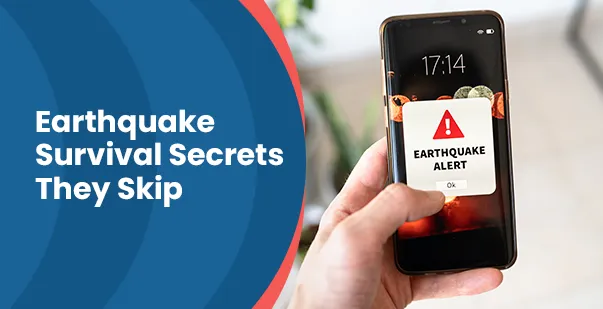
When an earthquake or other disaster strikes, every second counts. Early alerts give you time to react and protect yourself. That’s why it’s important to turn on the right warnings on your phone, radio, or other devices. Here’s what you should make sure you’re set up for:
These alerts can provide seconds of warning and updates on aftershocks or evacuation orders.
Turn on alerts in your phone settings and install official emergency apps. Keep a battery-powered or hand-crank radio for power outages. Always confirm warnings with trusted agencies before taking action.
Agencies like FEMA (Federal Emergency Management Agency) recommend preparing for at least 72 hours. That time frame helps cover the gap until outside help arrives. Having separate kits for home, work, and travel keeps you ready no matter where you are when it happens. Always stay prepared by completing a reputable first aid course for such disasters.
For sheltering in place when your home is safe:
Checklists from trusted sources like Ready.gov can help you adjust your kit to your household’s needs and improve your disaster preparedness.
Variations for Families
For when you’re caught away from home:
During an earthquake, the safest action is to drop, cover, and hold on.
| Do | Don’t |
| Drop, Cover, Hold On | Don’t stand in doorways (they aren’t stronger) |
| Stay indoors if already inside | Don’t run outside while the ground shakes |
| Move outdoors only if safe & open | Don’t stay near buildings, glass, or wires |
| Cover your head with a pillow in bed | Don’t try to rush under heavy fixtures |
| Pull over safely if in a vehicle | Don’t stop under bridges, trees, or overpasses |
| Stay away from elevators in high-rises | Don’t use elevators during/after shaking |
| Avoid flames & switches if you smell gas | Don’t light matches or touch electrical panels |
Always protect your head and neck. If no cover is nearby, crawl to the safest spot you can reach. This is a key part of disaster preparedness.
When you are preparing for an emergency, one size does not fit all. People with disabilities often face challenges unique to them. You plan for their specific needs and make sure they remain safe and supported when an emergency strikes.
Different age groups and abilities come with different risks.
Recognizing these needs helps you create a plan that works for everyone.
Go beyond food and water. Consider items that provide comfort, safety, and independence:
For detailed lists, check Ready.gov’s resources for seniors and people with disabilities.
When emergencies happen, it’s often neighbors, not official responders, who reach you first. If your community works together, you can check on vulnerable residents, shut off utilities, guide evacuations, and give first aid before outside help arrives.
The Community Emergency Response Team (CERT) program, supported by FEMA, trains volunteers in fire safety, search and rescue, disaster medical care, and more. Communities across the U.S. use CERT to build local response capacity. Learn more at Ready.gov/CERT.
Quick Community Readiness Checklist
|
Earthquakes can happen without warning. They can interrupt the services you rely on and block access to help for days. You can reduce that risk by preparing now. Investing in emergency preparedness earthquake kits can make a significant difference in survival and recovery times.
Start by putting together a 72-hour emergency kit. Set up early warning alerts, practice “Drop, Cover, and Hold On,” and make sure your plan includes children, seniors, and people with disabilities. Preparedness is not about fear. It is resilience. The actions you take today give your family security when every second matters. Enroll in our First Aid Training course. Gain the skills, confidence, and readiness to act when it matters most.
Read More:
Subscribe
Search Here
Select Courses
Recent Posts
Snake Bites – First aid, Treatment and Symptoms
Categories