Extreme Sports First Aid: Injury Prevention and Response
According to YouGov, half of Americans (51%) believe that extreme sports and activities can be done safely. However, 34% say they are always dangerous. What truly separates a safe experience from a life-threatening situation is the level of preparation, knowledge, and the ability to make rapid decisions during emergencies. Extreme sports refer to high-intensity activities that push physical limits and involve significant risk, such as paragliding, scuba diving, skydiving, bungee jumping, and mountain biking. This guide explains the warning signs to watch for and the essential extreme sports first aid steps to follow when an emergency occurs.
Why is Extreme Sports First Aid Important?
Extreme sports are designed to test physical limits, often in unpredictable and remote environments. For people who participate in extreme sports, learning first aid is about preparing themselves, when they encounter an emergency in the field. Nonetheless, the training also helps you to assist fellow adventurers in your group. With first aid skills, you can assess the situation and provide initial care. Providing first aid will stabilize the injured person and minimize the severity of the injury, preventing it from worsening.
How to Recognize Extreme Sport Injuries?
Before you learn the extreme sports first aid steps, here are some common symptoms that will help you recognize any injury and get the right treatment on time:
Bruising or discoloration
Persistent aches, pain, or tenderness
Skin that feels unusually warm to the touch
Visible deformity, such as a joint or bone out of alignment
Swelling in the affected area
Stiffness or noticeable weakness
Grinding, clicking, cracking, or popping sensations
Difficulty moving the injured body part
Reduced range of motion
Inability to bear weight on a leg, hip, or foot.
First Aid for Common Extreme Sports Injuries: Complete Steps
Every injury you encounter during any extreme sport activity requires specific first aid steps. When you know each step correctly, you can protect yourself and any person who has endured the injury along with you. Here’s the complete injury-wise description of steps needed for extreme sports first aid:
Sprains and Strains
Sprains and strains are two common extreme sports injuries. Sprains are a stretch or tear of the ligament, while a strain is a twist, pull, or tear in the muscle or tendon. It affects your wrists, thumbs, and knees. The first aid for sprains is RICE treatment. Here’s how it works:
Rest: Stop the activity and avoid putting weight on the injured area.
Ice: Wrap ice in a towel or cold compress and apply it to your injury for 20 minutes at a time, and continue it for 4 to 8 times a day.
Compressions: Use an elastic compression bandage to support the injury.
Elevation: Elevate the injured limb to heart level to decrease swelling.
Call 911 or seek medical care if there’s severe pain, inability to move the joint, or a visible deformity.
Fractures and Dislocations
When you experience a severe blow or fall during an outdoor activity, fractures may happen. You may experience a hairline fracture, which does not go completely through, or a compound fracture, where the broken bone protrudes through the skin. Here’s how to provide first aid for a fracture or dislocated joint incident.
Stop the bleeding by applying direct pressure. Elevate the injured area only if a fracture is not suspected.
Apply pressure with a sterile bandage or a clean cloth.
Immobilise the injured area with a splint or a sling.
Do not attempt to straighten a bone or reposition a dislocated joint. Doing so may worsen the injury and cause severe tissue or nerve damage.
Apply an ice pack or ice cubes wrapped in a towel to the injured area for 15 to 20 minutes at a time.
Don’t move the individual if you think there is a spine injury
Cuts and Abrasions
Deep cuts and scrapes will bleed and require immediate care. Here’s how you should treat them:
Apply steady, direct pressure on the cuts
Wash the wound out with clean water
Cover the wound with a sterile bandage
Watch for signs of infection
Nose Bleeds
If you are trekking, then the high altitude or air pressure tends to dilate the blood vessels in your nostrils, causing them to bleed. In this case, stop the activity and take the first aid measures given below.
Sit down and bend your head forward
Pinch your nose shut and breathe through your mouth
Hold the nose for 10 to 15 minutes
Apply a cold compress to the bridge of the nose if needed
If the nose bleeding continues for more than 30 minutes, seek medical help.
Concussion and Head Injuries
Head injuries should always be taken seriously. If a person experiences a head injury or shows the symptoms of a concussion, make sure to follow the steps below for first aid:
Call 911 if the person loses consciousness, vomits repeatedly, has unequal pupils, worsening headache, seizure, slurred speech, or weakness.
Do not move them if you suspect a neck or spine injury unless there’s immediate danger.
If they’re awake, encourage rest and avoid screens or bright light.
Do not give pain medication without medical advice. Pain medicines can mask important symptoms or increase bleeding in certain injuries, which makes assessment and treatment more difficult.
Heat Exhaustion and Dehydration
Heat exhaustion and dehydration are common concerns in extreme sports, especially if you are in hot terrains. Here is how to handle a heat emergency,
Get the person to a cool and shaded area
Take away any excess clothing to help keep the rising body temperature down
Provide small sips of water or an electrolyte beverage
Use cool, wet cloths or spray cool water and fan
Wild Animal Bites
Wildlife encounters while hiking, camping, or wildlife sports can lead to dog, bear, monkey, or other animal bites. Such bites have risks of infection and transmission of disease. The step-by-step first aid procedure is as follows:
Move to a safe distance from the animal as soon as possible.
Use gentle direct pressure to stem bleeding
Clean the wound well.
Use an antiseptic solution or wipe to sterilize the area.
Cover the wound with a clean cloth or sterile bandage.
Insect Stings and Bites
Insect stings can occur while going out to places like forests, mountains, or lakes. Most are minor, but some may result in a severe allergic reaction. Here’s what you should do:
Get away from the area to prevent further stings.
If a stinger is present (bee sting), it can be removed by scraping it out with a fingernail. Do not use tweezers because squeezing can cause more venom to be released.
Wash the wound with soap and water.
Use a cold compress or ice pack covered in cloth for 10-15 minutes to decrease swelling and discomfort.
Take an oral antihistamine in case of severe itching.
If anaphylaxis occurs, use an epinephrine autoinjector (EpiPen) if available and call emergency services immediately.
Snake Bites
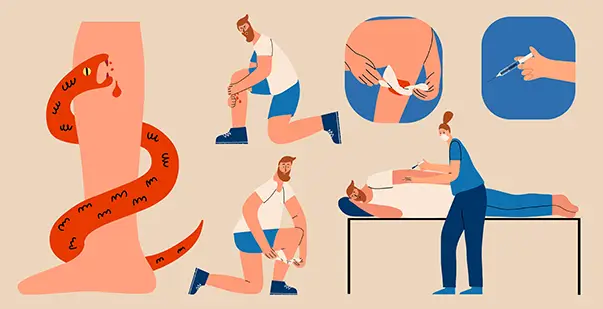
Snake bites may occur while trekking, rock climbing, or camping in the wild. The first aid procedure is as follows:
Get away from the snake to avoid another bite. Recall its colour, size, or markings only if safe, but do not approach or follow the snake for identification.
Keep the victim calm and immobile to slow the spread of venom throughout the body.
Place the bitten limb at or slightly below the heart level.
Take off any constricting clothing, jewelry, or watches around the area of the bite, since swelling will happen.
Clean the bite with soap and water if available.
Bandage the bite with a clean, dry dressing.
Splint the injured limb, if possible.
Hypothermia
Hypothermia is caused by a body temperature of less than 95°F (35°C), typical in cold-weather adventure sports such as skiing, mountaineering, or ice climbing. Follow this first-aid procedure:
Get to a warm, protected location.
Take off wet clothes and wear dry, warm clothing.
Cover the person with blankets, paying special attention to the head, neck, chest, and groin.
Offer warm, sweet, nonalcoholic, noncaffeinated fluids if alert.
Apply warm compresses to the neck, chest, and groin. Avoid direct heat or rubbing.
Drowning
Water-based extreme sports like surfing, whitewater rafting, diving, or kayaking carry drowning risks. Here’s the emergency response:
Ensure your own safety first. Make a water rescue only if trained and safe to do so.
Take the person out of the water as soon as possible. If the person is not breathing, start CPR right away:
Position on a hard, flat surface
Administer 30 chest compressions followed by 2 rescue breaths
Resume until assistance comes or the victim begins to breathe
If the person is not breathing and unresponsive, begin CPR immediately. Once breathing is restored or confirmed, remove wet clothing and cover with dry layers or blankets to prevent hypothermia.
Tips to Ensure Safety During Extreme Sports Activities
When accidents happen, you need to be prepared to handle them. These are some more adventure sports safety tips that you should remember:
Know your Limits: Don’t go for complex maneuvers or terrain if you are inexperienced.
Wear Protective Gear: Use a certified helmet (fit tight; sport-specific), wrist/elbow/knee guards, eye protection, and gloves. Wear a U.S. Coast Guard-approved life jacket (PFD) to minimize the possibility of getting hurt.
Stay Hydrated: Drink loads of water and electrolytes prior to, during, and after extreme sports, as it tends to cause fatigue very easily. Nourish yourself with healthy snacks to sustain your energy levels.
Stay Informed About Environmental Conditions: Look up the weather and area/trail reports to remain prepared for weather, altitude, and terrain changes, and have a contingency plan in the event the condition deteriorates in uncertain environments.
Be Prepared: Bring layers, sun protection, a map/compass or GPS, a headlamp, and additional food/water.
Carry a First Aid Kit: Regularly check and replenish your first aid kit after use when supplies run low or past their expiry dates.
Stay Calm: In case you face an injury, stay calm or reassure the injured person instead of panicking.
What Supplies Should Your First Aid Kit Have?
As an adventure enthusiast, you know the importance of having an extreme sports first aid kit. But are you aware of the supplies that go in your kit? Here’s the complete list of supplies you should have in your sports injuries first aid kit:
Adhesive bandages (various sizes)
Sterile gauze pads and medical tape
Elastic bandages (like ACE wraps)
Cold packs (instant-use)
Antiseptic wipes
Scissors and tweezers
Disposable gloves
Mouth guard or CPR mask
Splints (small and medium sizes)
Burn cream or gel
Eye wash solution
Thermal blanket
Oral rehydration salts or electrolyte packets
Emergency contact sheet of the nearest hospitals and ambulance numbers
Stay Prepared For Sport Injuries with the Right First Aid Training!
Extreme sports are an exhilarating way to challenge yourself and push your limits. But remember that thrills should always be accompanied by responsibility. Invest in proper training to acquire extreme sports first aid skills and get to experience the adrenaline rush to the fullest, without endangering yourself. First aid training will educate you on typical injuries, risk factors, and prevention measures so that you remain protected under any circumstances. Sign up for our online first aid course and stay safe and prepared to handle any emergencies from the comfort of your home.
FAQs
1. When to seek professional medical help for an extreme sports injury?
Seek immediate medical help if there’s
severe bleeding that won’t stop
compound fractures with bone protruding through skin,
loss of consciousness,
suspected spinal injuries,
severe burns.
Any head injury with confusion,
Repeated vomiting.
2. How to prevent injuries while participating in extreme sports?
Always wear certified protective gear, including helmets, guards, and a life jacket, appropriate for your sport. Hydrate yourself, check the weather forecast before engaging in activities, and let someone know your travel route and return time.
3. What are the warning signs of hypothermia in extreme sports?
You may see uncontrollable shivering, confusion, slurred speech, delayed pulse, and delayed breathing. Get the person to the warmth as soon as possible, remove the wet clothes, and cover the head and chest area with blankets.