





Understanding First Aid: Essential Skills for Everyone to Learn
Aug 06, 2026

Last Updated On: January 6, 2026
Heat-related illnesses are serious and rising in frequency. In the United States alone, officials estimate over 600 heat-related deaths per year and a significant surge in emergency visits during hot summers. Extreme heat can make people dizzy, confused, or collapse. Knowing the warning signs and cooling fast can save a life. So, read on to learn more about heat stroke and heat exhaustion, recognize warning signs, give first aid for heat stroke, and prevent heat illness.
Heat-related illnesses range from mild to life-threatening, with heat exhaustion often being the warning stage before heat stroke. Recognizing the difference can save a life. Here’s how you can explain both:
This occurs when the body loses too much water and salt through heavy sweating. The person usually remains sweaty and alert but feels weak, dizzy, nauseated, or thirsty. They may also have a rapid pulse or headache. Moving to a cool place, resting, and drinking fluids can help them recover.
Heat stroke happens when the body’s cooling system fails, causing a dangerous rise in core temperature, often 104°F or higher. Sweating may stop, and the skin may feel hot and dry. The person may become confused, faint, or lose consciousness. This is a medical emergency; call 911 immediately and begin cooling the person with water or ice until help arrives.
Catching heat illness early can prevent a serious emergency. Key difference: Heat exhaustion means heavy sweating and tiredness, but the person stays alert. Heat stroke means a very hot body, confusion, or fainting, which should be treated as an emergency. Here’s how to recognize the warning signals before things get worse:
If someone shows signs of heat stroke, call 911 immediately. Move them to a cooler place, remove excess clothing, and start cooling with water or ice packs until help arrives.
Heat-related illnesses don’t just happen by chance; they usually have clear triggers. When you understand what triggers heat illnesses, it’s easier to keep yourself and those around you safe in hot weather. Here are the most common causes you should know:
When it’s both hot and humid, sweat can’t evaporate easily. Your body struggles to cool down, causing heat to build up fast. Take regular shade or air-conditioned breaks.
Hard work or intense exercise in the heat makes your body produce more heat than it can release. Pace yourself and rest often, especially in direct sun.
Sweating drains your body of water and electrolytes like sodium. This leads to weakness, cramps, and overheating. Drink water frequently; use electrolyte drinks during long activities.
If you’re not used to hot weather, your body can’t cool itself efficiently. Gradually increase time spent outdoors over a week or two to help your system adjust.
Heavy, dark, or tight clothing traps heat and blocks airflow. Opt for light-colored, loose, breathable fabrics to help your body stay cool.
Anyone can experience heat-related problems for multiple reasons. However, if you know the right first aid for heat stroke or heat exhaustion, you can save someone’s life in no time. You can even help the person survive before medical help arrives. Wondering which steps to follow? Here you go:
Heat stroke is a medical emergency. Do not wait. As you call for help, instruct someone else to bring an AED (defibrillator) if available. Stay with the person. Remember: Cool first, transport second.
Quickly get the person out of the sun/heat. Take them into air-conditioning, a shade, or an open vehicle with AC. Remove excess clothing and any outer layers.
Lay the person down and raise their legs slightly (if spinal injury is not suspected) to help blood flow to the heart.
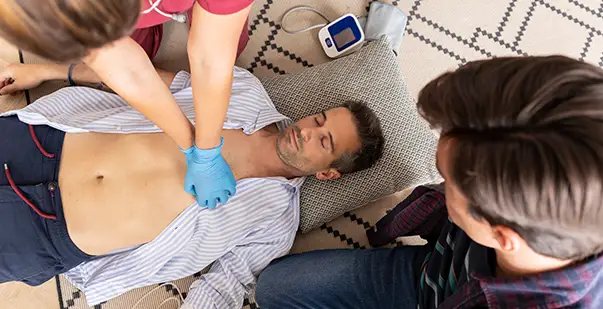
As you cool them, check their breathing and pulse. Be ready to start CPR if needed. If the person stops breathing or has no pulse, begin CPR immediately.
If the person is awake and able to swallow, you may offer small sips of cool water or a sports drink. Do not force fluids if they are confused or vomiting (to avoid choking).
Continue first aid until emergency responders arrive. Even if the person seems to improve, heat stroke can cause organ damage; they still need hospital care.
Heat exhaustion is less serious than heat stroke, but it still needs quick care to prevent worsening the condition. Simple steps like rest, hydration, and cooling can help treat heat exhaustion effectively. The steps for heat exhaustion treatment are:
Have the person rest in shade or an air-conditioned room. Lay them down and slightly raise their legs, and remove any tight or heavy clothing to help cool down.
Give cool (not ice-cold) water. Encourage frequent small sips and avoid caffeine or alcohol. Sports drinks (with electrolytes) are helpful if available. Do not give any drink if the person is nauseated or losing consciousness.
Apply cool, wet towels or cloths to the skin, especially on the head, neck, chest and arms. You can also fan the person or have them splash cool water on their body. Some people benefit from sitting in a cool shower or bath for a few minutes.
Keep the person resting and cooling for at least 30–60 minutes. Stay with them and watch their temperature, breathing, and alertness. If symptoms do not improve within 30 minutes or worsen (vomiting, confusion, or fainting), call 911.
Even if they seem better, consider a medical check-up. Heat exhaustion can sometimes return or progress if the body remains dehydrated.
Important: Avoid salt tablets or supplements; they are not needed if the person can drink fluids.
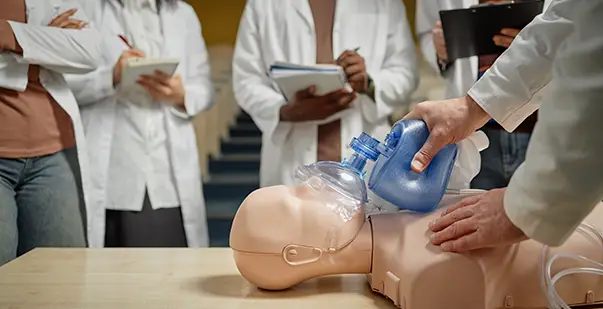
Heat stroke can lead to sudden collapse or cardiac arrest. If a person with heat stroke (or any heat emergency) becomes unresponsive and is not breathing normally (or not breathing at all), start CPR for heat stroke immediately. The steps to do CPR are:
Note: In heat emergencies, cooling and CPR can go hand in hand. If possible, have someone else continue cooling while you perform CPR.
Working or exercising in hot weather puts you at risk of heat exhaustion and heat stroke. Prevention is the best approach to staying healthy when it is hot. These are essential heat-illness precautions for anyone with physical activity when it is hot:
Make sure you have water at regular 1-cup intervals of 15-20 minutes and electrolyte drinks if doing sustained activity. Do not have alcohol, excess caffeine, or sugar-containing drinks.
Slowly raise exposure to warmth by 1-2 weeks to give your body a chance to adjust and improve cooling. Gradually increase your time and intensity outdoors so your body learns to cool itself efficiently.
Do the hardest tasks or workouts during cooler hours, early morning or late evening. Take frequent breaks in the shade or air-conditioning.
Wear light-colored, loose, moisture-wicking clothing and a wide-brimmed hat. Apply sunscreen regularly to protect your skin and help reduce heat stress.
Work or train with a partner. Watch each other for warning signs, such as confusion, dizziness, or loss of sweating, and act fast if symptoms appear.
Heat-related illnesses like heat exhaustion and heat stroke can happen quickly and turn dangerous if not treated right away. Recognize the warning signs early and start first aid for heat stroke fast. Simple steps like moving to a cool place, hydrating, and resting can help with heat exhaustion, while heat stroke needs emergency care and rapid cooling. Prevention is always better. Stay hydrated, plan outdoor activities wisely, and look out for one another in the heat.
By being prepared, you can save yourself or someone else from serious harm. First aid gives you the confidence to act in emergencies. Enroll in a fully online first aid training course today, which is self-paced, mobile-friendly, and accessible anytime. Start your training today and be ready to save lives!
Disclaimer: This guide is for general education and does not replace professional medical advice.
Read More:
Subscribe
Search Here
Select Courses
Recent Posts
Categories