




How to Check Your Pulse: Methods, Tips & Results
Mar 28, 2026
Last Updated On: March 12, 2026
Every year, microplastics silently enter the human body via food, water, and even the air we breathe. Estimates from 2022 suggest that an average individual consumes between 78,000 and 211,000 microplastic particles each year. This invisible burden might affect biological systems and several organs. The effects usually take place without any clear symptoms. Every individual deserves to understand how such particles enter the body. They must also know the potential harm they can cause and the steps that can lower the exposure. This article summarizes the current and practical steps; some health impacts are still under study.
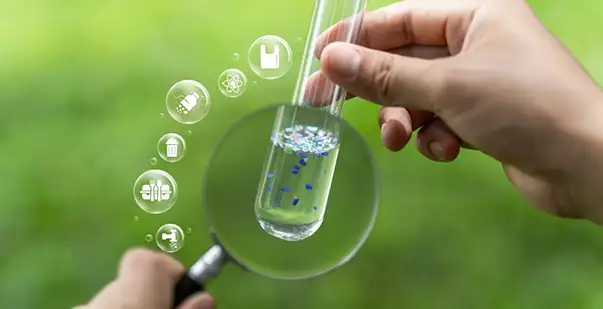
The microplastics are plastic fragments that are <5 mm. At times, it can be about 1 μm. These plastics come from two primary sources:
Primary microplastics are small plastic particles that are created intentionally in small sizes. They are typically less than 5 millimeters in diameter from the beginning. They are manufactured for certain commercial and industrial uses. Their main purpose is to enhance product texture, cleaning efficiency or function.
Examples of primary microplastics are:
Secondary microplastics are created when large plastic products break down. This happens due to the exposure to friction, waves, wind or sunlight. Compared to the primary ones, they are not made small intentionally. They are just a byproduct of plastic pollution.
Examples of secondary microplastics are:
Note: Microplastics can also contain chemical additives such as bisphenol A (BPA) and phthalates. Additionally, they can adsorb pollutants like heavy metals and pesticides, making them potential vectors of chemical exposure once they enter the body.
Main routes: ingestion (water and food), limited dermal uptake (mainly for nanoscale particles), and inhalation (outdoor and indoor air).
Microplastics can enter the body via these three main pathways. Each of these routes exposes people to varying amounts, depending on the diet, setting and lifestyle.
Microplastics come in the form of toxins in food and water, and they stand out as the main route of exposure. People consume these tiny plastics via contaminated drinks and food items.
Common examples include:
According to a 2019 study, researchers have estimated that individuals consume 39,000 to 52,000 microplastic particles each year via food, depending on gender and age. However, the estimates might differ greatly as the methods and measurements continue to evolve.
Microplastics do float in the air, both outdoors and indoors. They normally come from industrial sources, building dust, tires and textiles. The indoor setting accumulates a high level of microplastics. Particles that are below 10 µm can easily reach the lungs.
The ones under 1 µm might gain access to the bloodstream. A recent 2022 study showed that people might inhale up to 71,000 microplastics regularly when indoors. The actual amount might vary based on the exposure levels and location.
This route is less common, though it’s still relevant. This is particularly true for damaged skin and nanoplastics. Personal care items, toothpaste, and cosmetics can have nanoplastics and microbeads. Particles that are below 100 nm can breach the skin barrier. They might also gain access to wounds, hair follicles and pores. Although the current evidence suggests limited absorption, ongoing research aims to define the long-term effects and extent of this particular route.
Human evidence is still emerging. Much of what is now known about the health effects of microplastics comes from in vitro, animal or laboratory studies. All these studies of microplastics and human health suggest that a possible biological response might take place when particles enter the human body. The extent of actual risk within the real-world setting is still being investigated:
When microplastics or nanoplastics enter the body, the immune system identifies them as foreign particles. This may trigger chronic, low-grade inflammation, particularly in sensitive tissues such as the gut, lungs, and liver.
Over time, sustained inflammation could be linked to immune dysregulation and an increased risk of inflammatory conditions. The particle size and surface roughness of microplastics appear to influence how strongly immune cells respond.
Microplastic particles, particularly the ones with reactive surface groups, might generate ROS (Reactive Oxygen Species). This method places the oxidative stress on the cells. It can also interfere with cell signalling and normal DNA repair. Such stress is linked with cellular injury and might contribute to biological stress linked to aging. However, all these effects have primarily been observed in animal models and cell cultures but not yet confirmed in human populations.
Certain microplastics contain or carry additives such as bisphenol A (BPA) and phthalates, which are known endocrine-disrupting chemicals (EDCs). These substances can mimic or block natural hormones, affecting processes that regulate growth, reproduction, and metabolism. The evidence from epidemiological and experimental studies associates EDC exposure with fertility issues, metabolic disorders, and hormone-related cancers. However, direct causal links to microplastics in humans are still under study.
Nanoplastics, because of their extremely small size, might cross the biological barriers, including the blood-brain barrier. Once inside the brain tissue, they might lead to inflammatory responses and oxidative stress, affecting the neuronal behavior, memory and health. Even though laboratory data indicate possible neurotoxic effects, human evidence still remains inconclusive and limited.
Exposure to microplastics and their chemical additives has been linked in animal studies to reduced fertility, altered sperm quality, and disrupted embryonic development. Researchers suggest that particle size and chemical composition influence how these plastics interact with reproductive tissues. While early human studies have detected microplastics in placental and fetal samples, the biological significance of these findings is not yet clear.
Recent studies have identified microplastics in arterial plaque samples from patients with heart disease. This particular finding suggests a possible association between plastic exposure and vascular inflammation or atherosclerosis. However, scientists emphasize that causality has not been proven, and further research is needed to understand whether microplastics directly contribute to heart attacks, strokes, or other cardiovascular outcomes.
Microplastics reach water and food through several pathways. Larger plastics in the environment break down and then mix with the oceans, rivers and soil. Marine plants and animals absorb these particles. After that, they move via the food chain. Water supplies also pick them up during packaging, storage and treatment.
No single step can eliminate microplastics, but layered daily habits can help in reducing microplastic exposure:
Food and Drink
Laundry & Cleaning
Home and Air Quality
Everyday Choices
To lower all the environmental health risks caused by microplastics, it needs actions that go beyond individuals:
What Matters Most
The microplastics are found in food, water and even in the human body. This makes them a growing health concern for the general public instead of being an environmental problem. Researches suggest potential links to cardiovascular effects, hormonal disruption, and organ stress, but much of the evidence is still developing. Understanding the relationship between microplastics and human health is part of being ready and informed for the wider health changes of today.
While ongoing studies continue to explain these risks, individuals can maintain their overall preparedness for emergencies via proper training. Build confidence for critical situations, enroll in our online CPR and BLS certification courses. It can help you gain essential life-saving skills that complement health awareness and emergency readiness. Evidence is evolving; adopt practical exposure-reduction habits now while research advances.
Read More:
Subscribe
Search Here
Select Courses
Recent Posts
How to Check Your Pulse: Methods, Tips & Results
Snake Bites – First aid, Treatment and Symptoms
Categories