




Seasonal Demand Surges in CPR Manikins & Training: Patterns in 2026
Apr 13, 2026
Last Updated On: April 10, 2026
Strong CPR skills give you a solid base for responding in a life-threatening emergency. This skill allows both professionals and the public such as bystanders, lifeguards, or teachers, to take action during a cardiac arrest. This skill relies entirely on high-quality training. High-quality CPR can double or triple a person’s chance of surviving cardiac arrest.
Since proper CPR training is vital, the demand for manikins and courses rises at specific times—such as the start of academic terms, healthcare renewal cycles, and workplace compliance deadlines. When demand exceeds supply, training gets delayed. People are left uncertified and unprepared for emergencies, such as missing a workplace compliance deadline or not getting cleared for nursing school clinicals. This blog analyzes expected CPR training demand in 2026. Understanding these trends is crucial for manufacturers and training centers. We outline when seasonal surges are expected in the CPR training demand market and describe the factors that shape these 2025 spikes.
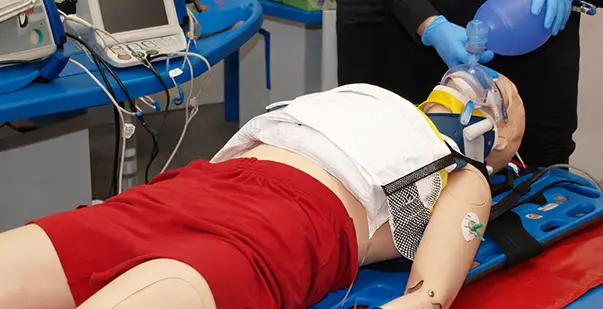
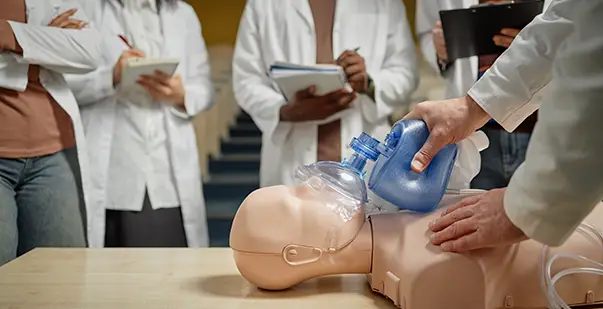
CPR manikins are life-sized models used for practicing resuscitation. They are also known as dummies or simulators. They teach correct hand placement and build muscle memory. Depending on the type, they also teach compression depth, rate, airway maneuvers, and bag-mask use. Muscle memory matters because CPR often happens under pressure, and having practiced movements helps you react quickly and keep your compressions steady.
However, manikins are not all the same; they serve different training needs:
Here’s a comprehensive overview of specialized CPR manikin types:
| Manikin Type | Key Features & Focus | Primary Training Use |
| Infant Manikins | Mimic infant size, airway, and chest flexibility. | BLS, First Aid, and gentle pediatric CPR (head position, gentle compressions). |
| Child Manikins | Replicate child body size and anatomy. | Practicing age-appropriate compressions and airway techniques for pediatric emergencies. |
| Torso-Only Adult Manikins | Focus solely on essential upper-body anatomy. | Learning adult chest compressions, rescue breaths, and correct hand placement efficiently. |
| Airway Management Manikins | Allow practice of advanced airway procedures. | Training with devices like bag valve masks, OPA/NPA insertion, and other airway adjuncts. |
| Choking Manikins | Specialized to simulate an obstructed airway. | Practicing the Heimlich maneuver (abdominal thrusts) and foreign-body airway removal. |
| AED-Compatible Manikins | Work directly with training AED pads and connectors. | Understanding correct AED pad placement, rhythm analysis, and shock delivery during CPR. |
| High-Fidelity Simulation (e.g., SimMan) | Advanced models simulating breathing, pulses, and patient responses. | High-level scenario practice in hospitals and professional simulation centers. |
To get certified, every student must prove they are skilled on a manikin. This ensures they can perform CPR correctly when it matters. Manikins are also used heavily during yearly and biannual training periods linked to regulatory rules. This includes BLS and ACLS renewal timelines, AHA card cycles, and state-level workplace safety requirements that push organizations to schedule classes within specific windows.
The Global Mannequin Market Overview, 2025-30, stated that the mannequin market was worth over USD 6.09 billion in 2024 and is set to grow at a 5.83% CAGR from 2025 to 2030. Several factors contribute to manikin and CPR training demand in 2025. Let us see when demand usually peaks:
Hospitals are constantly hiring new employees. Every new nurse or technician needs current CPR certification. This creates a steady, high baseline demand. Also, hospitals must pass accreditation reviews. These reviews lead to high compliance with staff training, creating last-minute surges that can distort how manikin sales appear in the data.
Manufacturers are working hard to meet these changing demands. They use various strategies to prepare for the CPR training demand in 2025. Here are a few of them:
First, they use deep analysis of past sales data and market trends to accurately predict future demand. This can include seasonal spikes in CPR classes, regions with higher training activity, or months when many certifications come up for renewal. Producing enough manikins ahead of time prevents shortages during the busiest times.
Second, they keep production flexible. They scale up capacity before training peaks and reduce it when demand slows, which is efficient for cost and supply management.
Furthermore, they secure their supply chain by building strong relationships with material providers and establishing backup plans. This prevents unexpected delays that can arise from shipping backlogs, supplier wait times, or material shortages.
Finally, new product development is continuous. Manufacturers introduce new manikins that offer better quality or last longer. Releasing these strategically helps balance the yearly demand peaks and drives the whole industry’s growth.
A community’s response to sudden cardiac arrest shows its level of readiness. We must not let seasonal changes decide when people learn CPR. Any delay in certification affects public safety and reduces workforce preparedness. A strong future depends on steady access to CPR training throughout the year. Manufacturers must plan production with care, and training centers must use flexible and modern methods. Clear insights about seasonal CPR training demand in 2026 help everyone act at the right time. Make a decision today to complete your CPR certification so that lifesaving skills stay available for every person every day of the year.
1. How often do hospitals contribute to constant demand pressure?
Hospitals constantly hire new staff. They also have strict accreditation rules. This creates steady, high demand pressure for CPR certification throughout the year.
2. How do new manikin technologies affect demand for training centers?
New manikins with better feedback drive centers to upgrade their equipment. This creates extra, large demand spikes for the latest training technology and replacements.
3. Will post-pandemic certification backlogs still affect CPR training demand in 2025?
Yes, some backlog from pandemic-delayed training may still clear in 2025. This adds unpredictable pressure to the usual seasonal demand cycles.
Read More:
Subscribe
Search Here
Select Courses
Recent Posts
How to Check Your Pulse: Methods, Tips & Results
Categories