




Public Confidence in Performing CPR Rises — Survey Insights & What That Implies
Abr 14, 2026
Last Updated On: junio 1, 2026
What if someone you love suddenly collapsed, unable to breathe, or worse, had a heart attack in front of you? In those terrifying moments, your quick intervention can save a life. Critical Medical emergencies strike unexpectedly, and they don’t always give you a chance to think. They demand immediate attention, and often, it’s up to bystanders like you to step in and take control until professional help arrives. Based on a report by Emergency Physicians, nearly half of Americans are unprepared for a medical emergency, despite the fact that over 9 in 10 cardiac arrests occur outside of hospitals each year in the U.S. alone.
So, what would you do if you found yourself in a situation where someone’s life depended on your actions? Don’t wait for the worst to happen; read on to find the signs to look for in life-threatening emergencies and the immediate actions to take to save lives.
The human body is resilient, but it is also vulnerable. Accidents, underlying health conditions, and unforeseen events can quickly escalate into life-threatening emergencies. According to the National Institutes of Health (NIH), over 20 million people in the U.S. are affected by critical medical emergencies annually. The key to handling these situations lies in quick thinking and informed decision-making. Let us explore the impact of these emergencies briefly:
Medical experts classify critical emergencies as “acute conditions” because they progress rapidly and demand urgent care. A heart attack may weaken heart function permanently. Stroke survivors may struggle with speech, mobility, or balance. Injuries from trauma can lead to disability or chronic pain. Most patients need long-term treatment, rehabilitation, and lifestyle adjustments to regain strength and avoid further complications.
People who have witnessed or been involved in a medical emergency may experience anxiety, flashbacks, or fear of another emergency. These feelings can linger long after the physical wounds have healed.
Beyond the immediate health implications, critical medical emergencies place a significant financial burden on individuals, families, and society. For the individual, the financial costs can include medical bills, rehabilitation expenses, and lost income due to time spent recovering. The economic burden extends to society as well. In fact, the CDC estimates that heart disease and stroke cost the U.S. healthcare system nearly $300 billion annually in medical expenses and lost productivity.
Some emergencies are quiet, fast, and dangerous. One moment you’re fine; the next, you’re wondering why your chest feels tight or your vision’s going fuzzy. The problem? Many life-threatening symptoms mimic minor issues. That’s what makes them tricky. However, recognizing medical emergencies early can literally save a life, yours or someone else’s. You just have to know what to look for. Let’s break down the red flags of the most common medical emergencies:
A heart attack is one of the most common and fatal medical emergencies, often caused by a blockage of blood flow to the heart muscle. The symptoms may begin subtly, with discomfort or mild pain, but they can rapidly worsen. The signs of a heart attack include:
A stroke happens when blood stops flowing to part of the brain. Without oxygen, brain cells begin to die quickly. That’s why doctors call the first hour after a stroke “the golden hour.” However, getting help quickly can prevent serious brain damage or even save a life. Common signs of a stroke include:
Anaphylaxis is a severe, life-threatening allergic reaction triggered by allergens like foods, insect stings, medications, or even latex. The symptoms appear quickly and worsen rapidly. Symptoms include:
Trauma, whether caused by accidents, falls, or violence is another major cause of medical emergencies. Severe trauma can include head injuries, broken bones, deep cuts, or internal injuries. Key signs of traumatic injuries that require immediate medical attention include:
People with diabetes are at risk for sudden blood sugar swings. When blood sugar drops too low (hypoglycemia) or climbs dangerously high (hyperglycemia), it becomes a medical emergency. These extremes can affect the brain, heart, and other vital organs within minutes. Without quick treatment, both conditions can lead to seizures, unconsciousness, or even death. You need to know the symptoms and act fast:
Hypoglycemia (Low Blood Sugar)
Hyperglycemia (High Blood Sugar):
Every second counts during a medical emergency. Whether someone faints, goes into cardiac arrest, or suffers a severe cut, your response in the first few minutes could make a real difference in someone’s life. Below are key response techniques everyone should know, because when emergencies strike, you cannot hesitate:
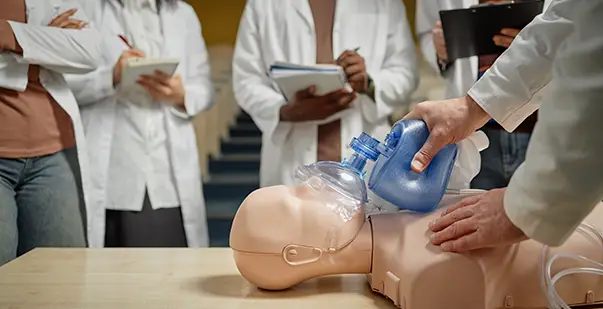
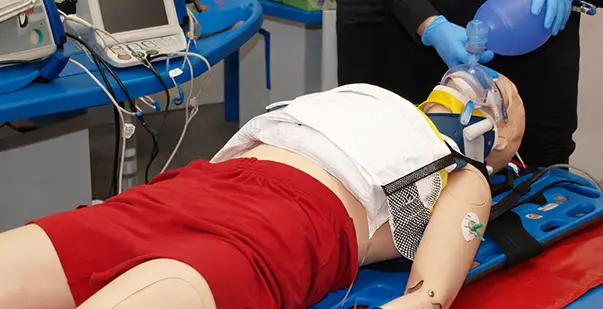
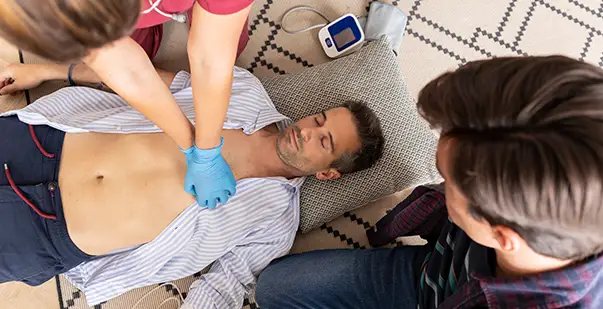
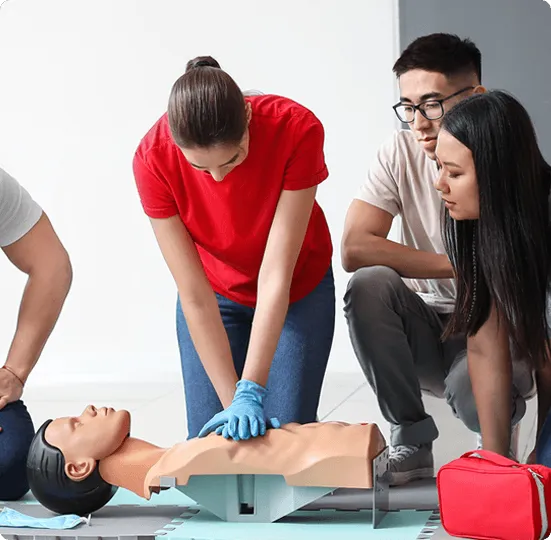
CPR is a lifesaving skill used when a person’s heart stops or they stop breathing. To begin, check if the person is responsive by tapping and shouting. If unresponsive, call emergency services and begin CPR and emergency care.
Tilt the head back, lift the chin, and check for breathing. If the person isn’t breathing or is only gasping, start chest compressions. Place your hands on the center of the chest and press hard and fast—at a rate of 100–120 compressions per minute. After 30 compressions, give two rescue breaths, and repeat the cycle until help arrives or signs of life return.
Uncontrolled bleeding can lead to shock or death in minutes. Begin by applying firm, direct pressure using a clean cloth or your hand to stop the flow. Avoid lifting the pressure frequently to prevent disturbing clot formation.
If the wound is on a limb, raise it above the heart level to slow bleeding. In cases where pressure isn’t enough, use a tourniquet above the injury and note the time of application. Watch for symptoms of shock, such as cold skin, confusion, or rapid breathing, and keep the person lying flat with legs raised while awaiting medical help.
Burns vary in severity, but immediate care is crucial to limit damage. For minor burns, run cool (not cold) water over the area for 10–20 minutes. This reduces skin temperature and eases pain.
Once cooled, gently apply a sterile, non-stick dressing to protect the area from infection. Over-the-counter pain relief and aloe vera gel may help reduce discomfort and swelling. Do not use ice, butter, or toothpaste on burns, as these can worsen the injury.
Broken bones and sprains must be handled carefully to prevent further harm. Stabilize the injured area and avoid moving the person unless necessary for safety. Immobilization is key—use a makeshift splint that extends beyond the joints around the injury to keep it from shifting.
To reduce swelling, apply an ice pack wrapped in cloth for 15–20 minutes. Never place ice directly on the skin. For compound fractures or injuries to the spine, pelvis, or head, seek emergency medical care immediately and avoid any movement.
Asthma attacks restrict airflow and can become severe without warning. Help the person sit upright to open the chest and support breathing. If they have an inhaler, assist them in taking a puff and repeat after 30 seconds if needed.
Do not allow the person to lie down, as this can worsen breathing. If symptoms persist after using the inhaler or breathing becomes labored, call emergency services immediately. Fast intervention prevents the attack from progressing into a respiratory emergency.
Anaphylaxis is a rapid and life-threatening allergic reaction that demands immediate action. If the person has an epinephrine auto-injector, use it without delay. Inject it into the outer thigh and hold for 10 seconds to ensure absorption.
Even if the person improves, always call emergency services, as symptoms can return. Position them lying down with legs raised unless they have breathing difficulty, in which case, let them sit up. Stay with them and monitor breathing and consciousness closely until help arrives.
Witnessing a seizure can be alarming, but calm action is vital. Move objects away to prevent injury and place something soft under the person’s head. Do not try to restrain their movements or put anything in their mouth.
Time the duration of the seizure. If it lasts more than five minutes or repeats, call for emergency help. After the seizure ends, stay with the person, as they may be confused or disoriented. Offer reassurance and keep them safe until they fully recover.
According to a 2019 survey, 11% of U.S. adults aged 18 to 34 reported delaying consultation with a doctor or nurse despite having serious health issues. It’s important to know when your symptoms warrant professional medical intervention. Below are situations where professional medical attention isn’t optional but essential:
A squeezing or stabbing pain in your chest, especially when paired with nausea, dizziness, or sweating, should never be brushed off. These symptoms could indicate a heart attack. Don’t try to “wait it out” or assume it’s just heartburn. Contact emergency services or go to the hospital without delay.
If you suddenly feel like you can’t catch your breath, or if your breathing becomes fast, shallow, or wheezy, seek help immediately. Breathing difficulties could signal a severe asthma attack, allergic reaction, or a lung infection like pneumonia.
A hard hit to the head may seem minor at first, but symptoms like vomiting, confusion, slurred speech, or even a brief loss of consciousness can suggest a serious brain injury. Internal swelling or bleeding may not show up immediately, so it’s critical to get checked.
Sudden facial drooping, difficulty speaking, or one-sided weakness are red flags for stroke. Acting fast can increase the chances of survival, as stroke treatments work best when given early. Don’t hesitate to connect with emergency services at the very first sign.
Bleeding that won’t stop with pressure or burns that are large, deep, or look infected, are not injuries you can manage at home. These can quickly lead to shock, infection, or permanent tissue damage. Hospital care ensures the wound is properly cleaned, closed, and monitored.
Critical medical emergencies can occur when we least expect them. While it’s easy to feel overwhelmed in the face of an urgent situation, knowing how to react, what actions to take, and when to seek professional medical help can make all the difference. The reality is that in a medical emergency, you are often the first line of defence.
One of the most empowering things you can do for yourself and others is to get trained in first aid training courses. This training doesn’t just teach you the theory behind these life-saving measures; it provides you with the confidence to execute them. So, don’t wait for an emergency to catch you off guard. Take the initiative now to learn, practice, and become familiar with the steps needed to respond to a medical emergency.
Also Read
Subscribe
Error: Formulario de contacto no encontrado.
Search Here
Select Courses
Recent Posts
Categories